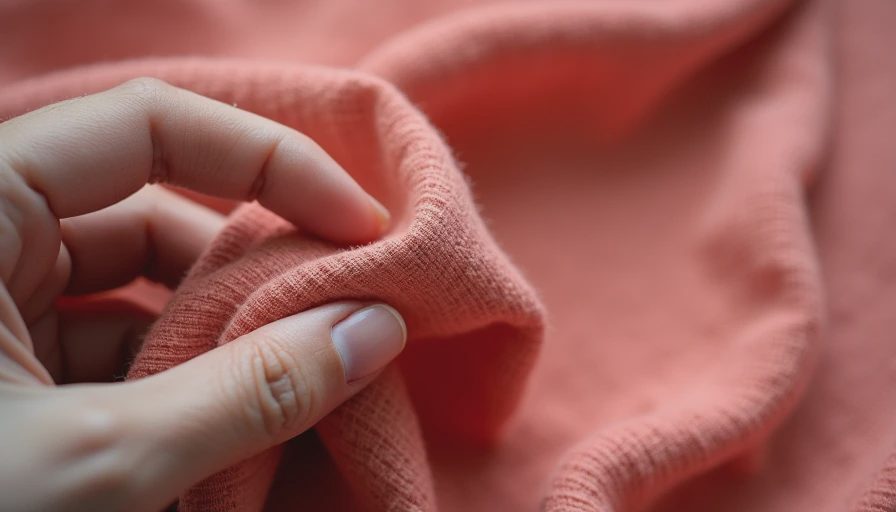
I’ll be honest: the first time I bought a raw linen shirt, I thought I’d made a terrible mistake. It was stiff, scratchy, and felt more like cardboard than clothing. I almost returned it. But I’d heard that linen gets better with time, and I was determined to learn how to **soften raw linen** without ruining it. After a few trial-and-error cycles (and a few too-harsh laundry mishaps), I figured out what actually works. Here’s the real talk on softening raw linen—no fabric softener required.
Why Raw Linen Feels Stiff (and Why That’s Actually a Good Thing)
Raw linen hasn’t been chemically treated or mechanically softened like most store-bought fabrics. The fibers are still coated in natural pectins and waxes from the flax plant, which makes them feel rigid. That stiffness is actually a sign of quality—it means the linen hasn’t been pre-softened with synthetic resins that break down after a few washes. But let’s be real: wearing a stiff linen shirt is not fun. The good news is that with a few washes and some patience, you can soften raw linen significantly without losing its durability or that beautiful natural texture.
Method 1: The Salt Water Soak
This is my go-to for new linen pieces. Fill a bucket or your sink with cold water and add about half a cup of table salt. Submerge the linen and let it soak for at least 8 hours or overnight. The salt helps break down the natural coatings on the fibers, making them more pliable. After soaking, rinse with cool water and wash as usual on a gentle cycle. I’ve done this with a linen tablecloth and a dress, and both came out noticeably softer. Bonus: salt is cheap and you probably already have it in your kitchen.
Method 2: Baking Soda and Vinegar Rinse
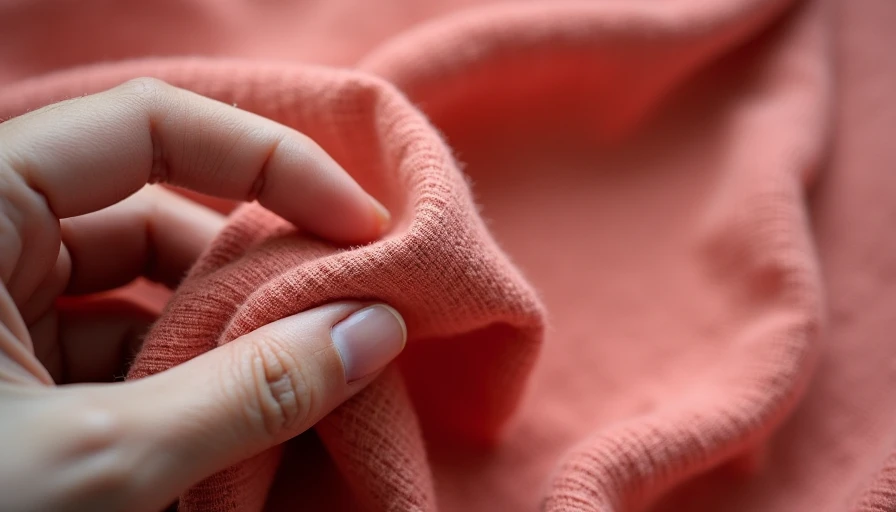
If you want to go a step further, add half a cup of baking soda to the wash cycle. Baking soda helps relax the fibers. Then, during the rinse cycle, add half a cup of white vinegar. The vinegar neutralizes any leftover alkaline from the baking soda and acts as a natural fabric softener. Don’t worry—the vinegar smell disappears once the fabric dries. I use this method regularly to maintain softness after the initial soak. It’s also great for removing any musty smells from thrifted linen.
Method 3: The Dryer Trick (With a Catch)
Tumble drying can soften linen quickly, but it also causes wrinkles and shrinkage if you’re not careful. Here’s how to do it without ruining your piece: Dry on low heat with a damp towel. The towel adds moisture and helps the fibers relax. Check every 10 minutes and remove the linen while it’s still slightly damp. Then air-dry flat or hang to finish. This method is my lazy Sunday go-to when I need a shirt ready to wear the next day. But I only use it once the fabric has been through a few washes already—brand new raw linen might shrink more than you want.
Method 4: Wear It In (The Lazy Way)
I’m not going to pretend I’m always on top of laundry routines. Sometimes the easiest path to softening raw linen is just wearing it. The friction from your body and movement will naturally break down the fibers over time. Throw it on for a few hours around the house, or sleep in a linen pajama set. This is the slowest method, but it also gives you the most authentic “lived-in” feel. I have a linen button-down that I bought six months ago, and after multiple wears and washes, it’s now my softest shirt. No special treatment—just time.
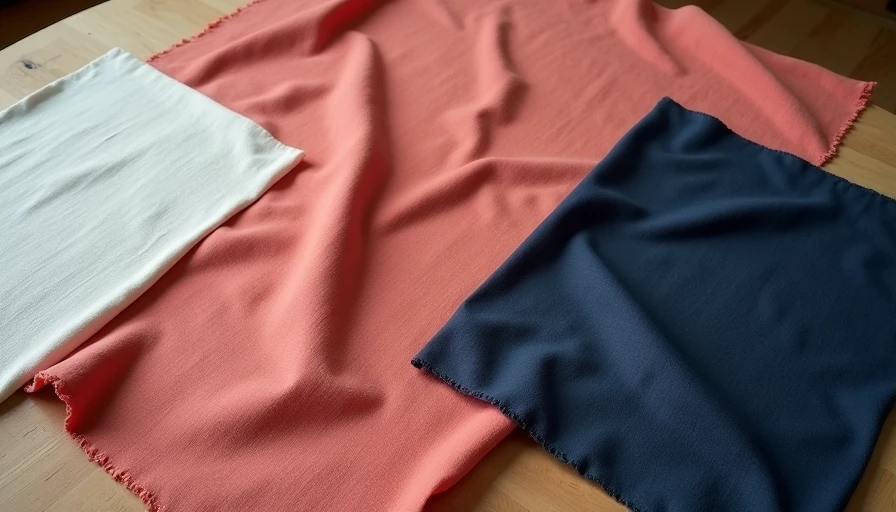
What NOT to Do When Softening Linen
I learned some of these the hard way:
- **Don’t use chlorine bleach.** It weakens the fibers and can cause yellowing. Stick to oxygen bleach if you need whitening.
- **Don’t use fabric softener.** It coats the fibers with synthetic wax that eventually traps odor and reduces breathability. Natural methods work better.
- **Don’t wring or twist wet linen.** This distorts the weave and creates permanent wrinkles. Gently press out water or roll in a towel.
- **Don’t dry on high heat.** Shrinkage is real, and it’s often uneven. Low heat or air drying is safer.
Frequently Asked Questions About Softening Raw Linen
**Can I soften raw linen with vinegar alone?** Yes, but it's more effective when combined with baking soda. A vinegar rinse on its own will help remove residue and soften the fabric slightly, but the salt soak or baking soda wash provides deeper fiber relaxation.
**How many washes does it take to soften raw linen?** It depends on the method. With the salt soak, you can notice a difference after one wash. But full softness develops after 3-5 washes, especially with regular wear. Patience is key.
**Will softening raw linen damage the fabric?** No, if you use gentle methods. Avoid harsh chemicals and high heat. The natural methods described above preserve the integrity of the flax fibers while making them more comfortable.
**What is the fastest way to soften raw linen?** The fastest is the dryer trick with a damp towel, but for best results, combine a salt soak followed by a low-heat dry. This approach gives you noticeable softness in one day.
**Is it necessary to soften raw linen before sewing?** Not necessary, but it makes handling easier. Pre-washing and softening raw linen removes excess starch and helps the fabric drape better for sewing projects.
Final Thoughts on Softening Raw Linen
Softening raw linen doesn’t have to be complicated or expensive. A little salt, some baking soda, and a bit of patience go a long way. The key is to work with the fabric’s natural properties, not against them. Whether you’re prepping a new thrift find or a brand-new purchase, these methods will help you get that soft, comfortable linen without the scratchy phase. And remember: you don’t need a perfect closet—you need a closet you’ll actually wear. Linen that feels good to wear counts double.



No comments yet — grab the first one.