I’ll be honest—I used to grab whatever was cheapest at the store without thinking about how long it would last. But after a few too many faded, pilled, or ripped pieces ending up in my donation pile, I started paying attention to **natural fiber durability**. It turns out, not all fabrics are built the same, and understanding which ones hold up can save you money and reduce waste. You don’t need a perfect closet—you need a closet you’ll actually wear, and durability is a big part of that.
What Makes Natural Fiber Durable?
When we talk about natural fibers, we’re usually referring to cotton, linen, wool, and hemp. Each has its own strengths and weaknesses. Cotton is soft and breathable but can wear thin if it’s a low-quality weave. Linen gets softer with age and is surprisingly strong—those wrinkles are a badge of durability. Wool (especially merino) resists odor and can bounce back from stretching if cared for correctly. Hemp is the overachiever: it’s two to three times stronger than cotton, gets softer with washing, and resists mold and UV damage.
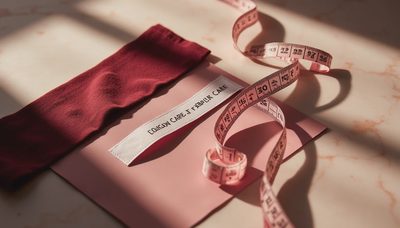
But here’s the catch—**natural fiber durability** depends on fiber length, weave, and weight. Long-staple cottons like Egyptian or Pima create stronger threads. A tight weave (like in denim or twill) adds longevity. I’ve learned to look at the fabric tag before buying—if it feels flimsy or the threads are loose, it won’t last through many washes.
How to Extend Natural Fiber Durability
Even the toughest natural fiber needs proper care to reach its full lifespan. Here are a few things I do that have saved my clothes from premature retirement:
- **Wash cold and gentle.** Hot water breaks down fibers faster. I use a mesh bag for delicate woolens and turn everything inside out.
- **Skip the dryer.** Heat is the enemy of natural fibers. Air-drying on a rack (or even a clothesline) works wonders. Linen can look rumpled, but that’s part of its charm.
- **Store smart.** Wool needs protection from moths—cedar blocks or lavender sachets help. Linen and cotton should be folded or hung loosely to avoid crease wear.
- **Rotate your wardrobe.** Giving pieces a rest between wears lets fibers recover. I’ll wear a linen dress one day and a cotton tee the next.
- **Spot clean instead of washing.** If there isn’t a visible stain or smell, a quick refresh in the bathroom steamer can save a wash cycle.
These habits aren’t tedious—they become automatic. And they make a real difference in how long your clothes look good. I’ve had a cotton tee last over five years because I stopped drying it on high heat. That’s the power of understanding **natural fiber durability**.
Is Natural Fiber Always More Durable Than Synthetic?
Not necessarily, and I don’t want to pretend otherwise. Polyester nylon blends can outlast cotton in some conditions—they resist stretching, shrinking, and fading. But synthetic fibers shed microplastics in the wash and don’t biodegrade. For me, the trade-off is worth it for natural fibers, especially when you consider that **natural fiber durability** can be excellent if you choose well and care properly.
I’ve owned a pair of 100% linen trousers that lasted three summers with no holes, while a polyester dress from the same price range pilled after six months. The key is quality over type. A cheap cotton T-shirt might shrink and fade within a year, but a midweight 100% organic cotton one (from a brand like Pact or Fair Indigo) can hold up for much longer. Learn to evaluate weave density, thread count, and fiber length—those matter more than the fiber alone.
Building a Durable Wardrobe on a Budget
You don’t need to spend a fortune. Thrift stores are perfect for finding well-made natural fiber pieces. I look for items that feel substantial in hand—linen shirts with thick seams, wool sweaters that are still soft and not bald. Bring a pair of scissors to check for loose threads, and don’t buy anything with stains you can’t treat. A $10 wool blazer from Goodwill has outlasted many retail buys because the fabric quality was high to start.
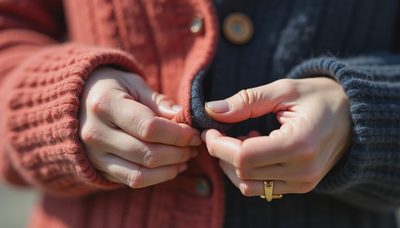
Another trick: save old clothes for patching. When a cotton shirt wears thin at the elbows, I cut a square from an old tee and darn it. It’s not perfect—I’m no Blue Willa—but it extends the garment’s life by another season. That’s the kind of realistic sustainability I can stick with.
The Takeaway
**Natural fiber durability** is more than a buzzword—it’s a practical factor that affects your wallet and the planet. By choosing fabrics like linen, wool, and hemp, and treating them with a little care, you can build a wardrobe that lasts without falling apart after a few washes. Start with one piece, check the care label, and see how long it stays in rotation. You might be surprised how much you save.
And if you’re like me, you’ll start reading fabric tags the way I read ingredient lists—skeptically, but hopefully. That’s how we get closer to a closet we’ll actually wear.
No comments yet — grab the first one.