
You scored an amazing vintage blazer at Goodwill and a stack of linen tops from a garage sale. But before you wear anything, you need to **disinfect thrift clothes** — and do it without fading colors or shrinking that perfect fit. I’ve been thrifting for years, and I’ve ruined a couple of pieces by tossing them straight into the wash on hot. Here’s what I learned the hard way.
Thrift stores are treasure troves, but those clothes have lived other lives. They’ve been tried on, stored in basements, maybe even treated with mothballs. A simple wash isn’t always enough to kill bacteria, mold spores, or viruses. But you don’t need harsh chemicals or expensive dry cleaning. Most fabrics can be safely cleaned at home with a few pantry staples.
Why You Should Disinfect Thrift Clothes Before Wearing
Even if a secondhand garment looks clean, it could harbor invisible germs. Previous owners might have handled it while sick, or it sat in a dusty warehouse. A good disinfecting routine adds peace of mind without taking much time. Plus, it helps remove musty odors that sometimes stick to vintage finds.
I’m not saying you need to be paranoid — but a little preventive care saves you from potential skin irritation or transfer of odor-causing bacteria. And it’s especially important for items like underwear, swimsuits, or anything that sits close to your skin.

Pre-Wash Inspection: What to Check Before You Wash
Before you even think about water, check the care label. Natural fibers like cotton and linen can usually handle hot water, but synthetics, silk, and wool need gentler treatment. Also look for stains or delicate trims — you might need to spot-treat first. I learned this when a beautiful silk scarf bled color all over my other laundry. Now I always test a hidden seam for colorfastness.
Another tip: shake clothes outside to remove loose dust or critters (yes, thrift stores can have moth eggs). A quick vacuum with a handheld attachment works too. Once you’ve done that, you’re ready to **disinfect thrift clothes** using one of the methods below.
Method 1: Hot Water and Laundry Sanitiser (For Most Fabrics)
The simplest way to **disinfect thrift clothes** is a hot wash — 140°F (60°C) or higher — which kills most bacteria and viruses. But not all fabrics can take that heat. For cotton, linen, and sturdy synthetics, add a laundry sanitiser or a cup of white vinegar to the rinse cycle. Vinegar is cheap, safe for colors, and neutralizes odors without leaving a smell once dry. I’ve used this on dozens of secondhand shirts and jeans with zero issues.
If you’re washing delicates or cold-water-only items, use a sanitising additive like Lysol Laundry Sanitizer (check the label for compatibility). Remember to never mix vinegar with bleach — it creates toxic fumes.
Method 2: Freezing for Odor and Germ Control
Freezing doesn’t actually kill most bacteria, but it can kill clothes moths and their eggs. If you’re worried about wool sweaters or cashmere, seal them in a bag and freeze for 72 hours. This won’t **disinfect thrift clothes** in the germ sense, but it helps with bugs. For actual disinfection, combine freezing with a cold-water wash using a sanitising product.
Method 3: Steam Cleaning (Great for Delicates)
A handheld steamer is my go-to for items that can’t go in the wash — like structured blazers, silk blouses, or anything labeled “dry clean only.” Steam temperatures above 212°F easily kill germs and remove wrinkles. I steam every thrifted piece before wearing, especially if I’m not sure about washing it. It’s quick, and it refreshes fabrics without soaking them.
Caring for Delicate Fabrics When You Disinfect Thrift Clothes
Silk, wool, and rayon need extra care. Hand wash in cool water with a gentle detergent (like Woolite) and a splash of white vinegar. For wool, add a few drops of tea tree oil — it has natural antimicrobial properties. Never wring or twist wet wool; roll it in a towel to absorb water. Air dry away from direct sunlight.
I once machine-washed a thrifted rayon dress on warm, and it shrunk two sizes. Now I stick to cold water and always line-dry. The label really does know best.
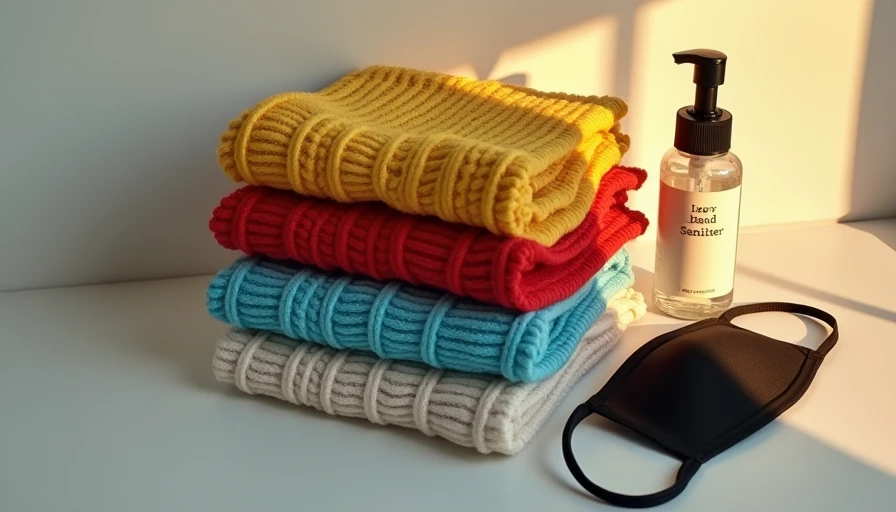
How to Remove Odors After Disinfecting
Sometimes even after a proper wash, musty smells linger. Soak the item overnight in a mix of cold water and baking soda (about 1/4 cup per gallon). The next day, wash as usual with a cup of white vinegar in the rinse. This combo works wonders for vintage finds that smell like basement or mothballs. I’ve saved a 1970s wool coat this way.
Another trick: lay the garment out in direct sunlight for a few hours. UV light is a natural disinfectant and deodorizer. Just turn it inside out to protect colors.
Final Checklist for Worry-Free Thrifting
- Check the care label before anything.
- Shake outside and inspect for stains or bugs.
- Wash in the hottest water the fabric allows, adding vinegar or laundry sanitiser.
- For dry-clean-only items, steam thoroughly.
- If odor remains, soak in baking soda solution.
- Dry completely — damp clothes breed mildew.
Following these steps means you can confidently **disinfect thrift clothes** without damaging them. Thrifting is already a win for your wallet and the planet — don’t let a little dirt stop you from scoring great pieces. You don’t need a perfect wardrobe, just a clean one you’ll actually wear.
Got a go-to method for cleaning secondhand finds? I’m always looking for better tricks. Drop a comment or tag me on social — I’d love to hear what works for you.


No comments yet — grab the first one.