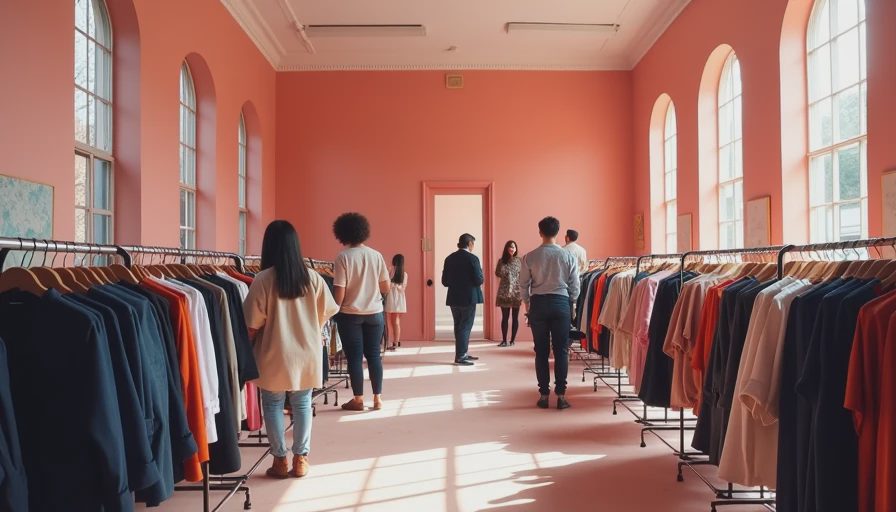
I’ll be honest—my closet has benefited way more from **sustainable clothing swaps** than from any sale I’ve ever braved. There’s something about trading pieces with friends that feels more exciting than shopping alone, plus it costs exactly zero dollars. Over the past few years, I’ve hosted and attended a handful of these swaps, and they’ve become my favorite way to score “new” clothes without the guilt of buying new or the disappointment of a bad thrift run.
Why Sustainable Clothing Swaps Work
Swaps are basically a win-win-win. You clear out stuff you never wear, someone else gives it a second life, and you walk away with pieces that actually fit your current style. Unlike thrift stores where you’re still spending money, **sustainable clothing swaps** rely on barter—your unworn sweater could be someone’s new favorite top. Plus, the social aspect makes it fun. I’ve had swaps where we turned it into a mini wine-and-try-on night, and honestly, that’s way better than scrolling through Shein alone.
Another reason they work: you’re more likely to pick things you’ll actually wear because you see them on a friend first. That teal blazer my roommate brought? I’d never have grabbed it off a rack, but seeing her style it made me realize I needed one. Now it’s a staple in my work wardrobe.
How to Host Your Own Swap
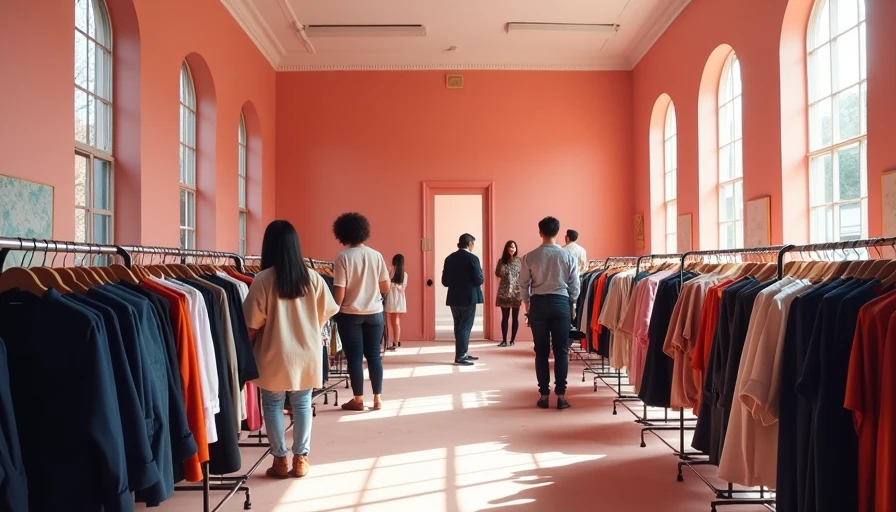
Hosting a swap doesn’t require a lot of planning. Here’s what I’ve learned from trial and error:
- **Pick a date and invite 6–10 people.** Too many and it gets overwhelming; too few and the selection is thin. Aim for a mix of sizes and styles.
- **Set a few ground rules.** I ask everyone to bring at least 5 items in good condition—no stains, tears, or pilling. Also, limit it to clothes and accessories (shoes if they’re clean).
- **Create a system.** Arrange items by category (tops, bottoms, dresses, etc.) on a table or couch. We use a “take one, leave one” rule to keep things fair, but some swaps do a timed round where everyone picks one item at a time.
- **Provide mirrors and a place to try on.** A full-length mirror is key—I’ve seen too many swaps where people grab things and later realize they don’t fit. Make it easy to try before you commit.
Pro tip: ask everyone to bring a snack or drink. It turns the swap into a mini party, and people linger longer, which means more trades happen.
What to Bring (and What to Leave at Home)
Not everything you own is swap-worthy. I’ve made the mistake of bringing stuff that was too worn or outdated, and it just sat there awkwardly. Here’s my rule of thumb:
- **Bring:** Gently worn basics, trendy pieces you’re over, accessories like scarves and belts, jeans that don’t fit anymore (but are still in good shape), and any items you bought but never wore (tags still on? even better).
- **Leave:** Underwear, socks, heavily pilled sweaters, anything with a stain or rip, and fast-fashion pieces that are falling apart. If you wouldn’t give it to a friend, don’t bring it to a swap.
One of my best swap finds was a pair of slightly too-small boots that my friend had worn twice. I took them, stretched them with a hair dryer and thick socks, and now they’re my go-to fall boots. That’s the beauty of **sustainable clothing swaps**—you never know what treasure will turn up.

Tips for a Successful Swap
I’ve learned a few tricks the hard way. First, don’t bring everything you own. Limit yourself to 10–15 items so you’re forced to pick only things you’re truly ready to part with. Second, be open-minded. I once passed over a plain black dress because it looked boring, but my friend grabbed it and styled it with a belt and boots—it looked amazing. Don’t judge an item too quickly.
Another tip: after the swap, donate whatever doesn’t get taken. It keeps the momentum going and ensures nothing goes to waste. I keep a bag in my car for this purpose.
Real-Life Savings From Swaps
Let’s talk numbers. A typical trip to the mall can easily run $50–$100 for a few new pieces. At a swap, you get a whole new-to-you wardrobe for free. I calculated once that I got about $200 worth of clothes from a single swap—a denim jacket, two blouses, a pair of trousers, and a crossbody bag. That’s money I could put toward other things, like a weekend hike or a good skincare serum.
And honestly, the environmental savings matter too. The fashion industry is one of the biggest polluters, and **sustainable clothing swaps** keep perfectly good clothes out of landfills. Every item swapped is one less item manufactured. It’s not about being perfect—it’s about making a better choice when you can.
Start Small, Swap Often
If you’ve never tried a swap, start with one friend. Just trade a few items and see how it feels. I promise you’ll get hooked. Hosting a bigger swap takes a little coordination, but the payoff is huge. You don’t need a perfect closet—you need a closet you’ll actually wear, and swaps help you get there one trade at a time.




No comments yet — grab the first one.