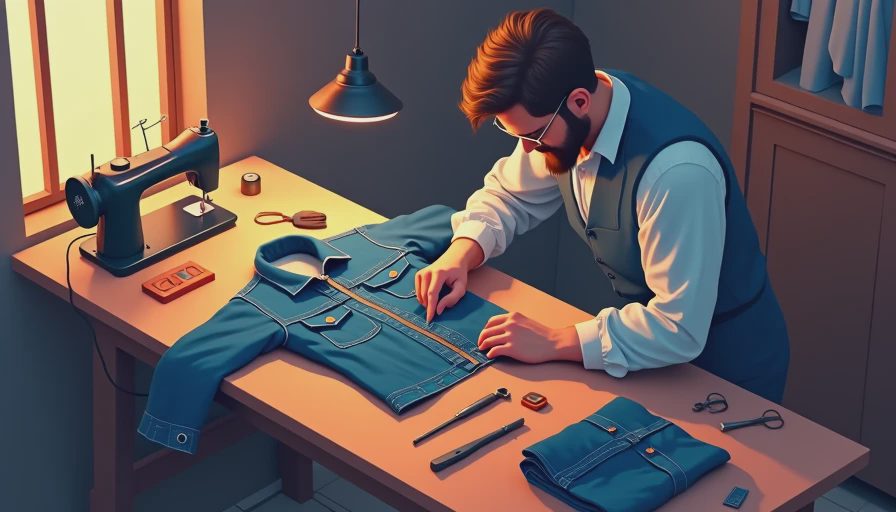
If you've ever thrifted a beautiful vintage jacket only to find the zipper is warped, you might wonder if it's worth fixing. Learning how to **restore warped zipper vintage** pieces is simpler than you think. I've been there — staring at a perfect 1980s blazer with a zipper that looked like it had been through a fight. But instead of tossing it or paying for an expensive tailor, I figured out a few easy methods that actually work. Here's how to bring that zipper back to life without a sewing machine or a professional setup.
Why Do Vintage Zippers Warp?
Before we get into the fix, it helps to understand why vintage zippers get wonky. Most vintage clothing uses metal or coil zippers that are decades old. Over time, the teeth can bend, the tape can stretch, or the slider can get misaligned. Humidity, tugging, and general wear all contribute. The good news is that a warped zipper doesn't always mean it's ruined. Often, the zipper just needs a little realignment or a gentle tug to get back in shape. I've saved several thrifted finds this way, and every time I feel like I've cheated the system.
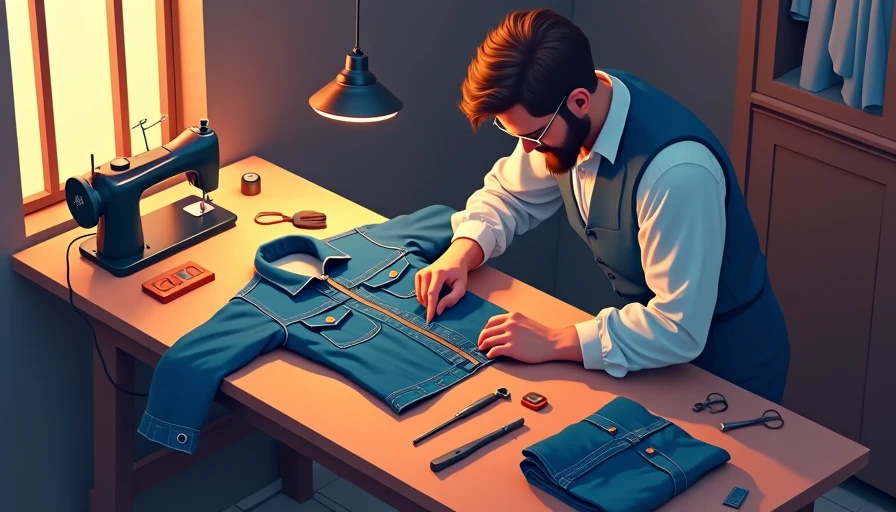
Step-by-Step: How to Restore a Warped Zipper on Vintage Clothing
Here's my go-to approach for restoring a warped zipper on vintage items. You'll need pliers, a little patience, and maybe some lubricant.
1. Inspect the Zipper Carefully
First, check if the teeth are misaligned or if the slider is stuck. Sometimes the issue is just a bent tooth somewhere in the middle. Run a finger lightly along the zipper to feel for any sharp spots or gaps.
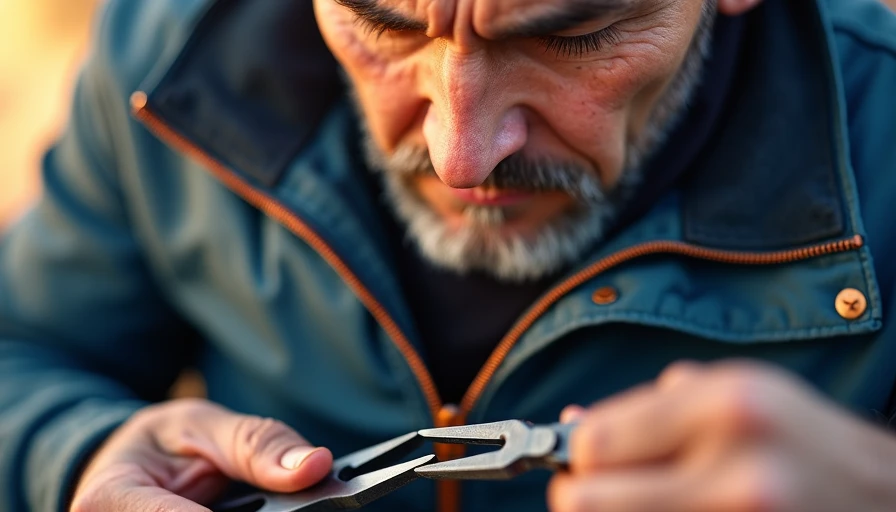
2. Realign Bent Teeth with Pliers
If you spot a bent tooth, use needle-nose pliers to gently squeeze it back into place. Work slowly — vintage zipper metal can be brittle. I once broke a tooth on a 1970s dress because I got impatient. So take your time. For coil zippers, you might need to coax the coil back into its track.
3. Realign the Slider
If the slider is crooked, you can often straighten it by gently wiggling it while the zipper is closed. Sometimes just pressing down on the top of the slider with pliers helps. Be careful not to crush it.
4. Use a Zipper Lubricant
A little wax or silicone lubricant can reduce friction and help the zipper glide more smoothly. I use a clear candle for this — just rub it along the teeth. Avoid oil-based products; they can stain vintage fabric.
5. Test and Repeat
Zip and unzip a few times. If it's still catching, repeat the steps. Most common warps can be fixed this way. Only consider replacement if the zipper is completely mangled or missing teeth.
When It's Time to Replace the Zipper
Sometimes, despite your best efforts, a vintage zipper is beyond repair. If the slider is broken or teeth are missing, you'll need to replace it. But don't let that scare you — swapping a zipper on a vintage garment is a manageable DIY project. I've replaced zippers on a few thrifted jackets using tutorials from Blue Willa on YouTube. Most of the time, the original zipper can be restored, but knowing when to give up saves you frustration. If you decide to replace it, consider salvaging the zipper pull for another project — vintage pulls are often beautiful and worth keeping.
Frequently Asked Questions About Restoring Vintage Zippers
Here are answers to common questions that come up when trying to restore warped zipper vintage pieces.
**Q: Can any warped zipper be fixed?**
A: Most warps caused by bent teeth or a misaligned slider can be fixed with pliers and patience. However, if teeth are missing or the slider is cracked, you'll likely need a replacement. Learning to restore warped zipper vintage pieces involves recognizing these limits. I've fixed about 80% of the warped zippers I've encountered, but some are just too far gone.
**Q: Will fixing a vintage zipper damage the fabric?**
A: As long as you work gently and avoid excessive force, the fabric should be fine. Always test on an inconspicuous area if you're using lubricant. For delicate fabrics like silk, consider a professional replacement instead. I once fixed a zipper on a 1960s polyester dress with no issues.
**Q: How do I prevent future warping?**
A: Store vintage garments flat or on padded hangers. Avoid overloading pockets or yanking the zipper. A dab of beeswax on the teeth every few wears can reduce friction and prevent bends. Regular maintenance goes a long way.
**Q: What if the zipper is too far gone?**
A: Replacement is your best bet. Look for vintage zippers at thrift stores to keep the authentic look, or use a modern one in a coordinating color. Removing the old zipper carefully can give you a pattern for sewing in the new one. There are plenty of tutorials online for replacing zippers on vintage clothing.
**Q: Can I use WD-40 on vintage zippers?**
A: I don't recommend it. WD-40 can stain fabric and attract dirt over time. Stick with silicone spray or a dry lubricant like beeswax or paraffin. A clear candle works well in a pinch.
Final Thoughts
Learning to **restore warped zipper vintage** pieces is a satisfying skill that saves money and keeps great clothes out of landfills. I've fixed at least five thrifted items this year alone, and each one feels like a small victory. You don't need to be a sewing expert — just willing to try. Next time you see a vintage piece with a janky zipper, give it a shot. You might end up with a new favorite jacket.
Remember, sustainability isn't about being perfect. It's about making small, smart choices. Fixing a zipper instead of tossing a garment is one of those choices. And your wallet — and the planet — will thank you.
*Have you tried restoring a vintage zipper? Tell me about your wins and fails in the comments.*


No comments yet — grab the first one.