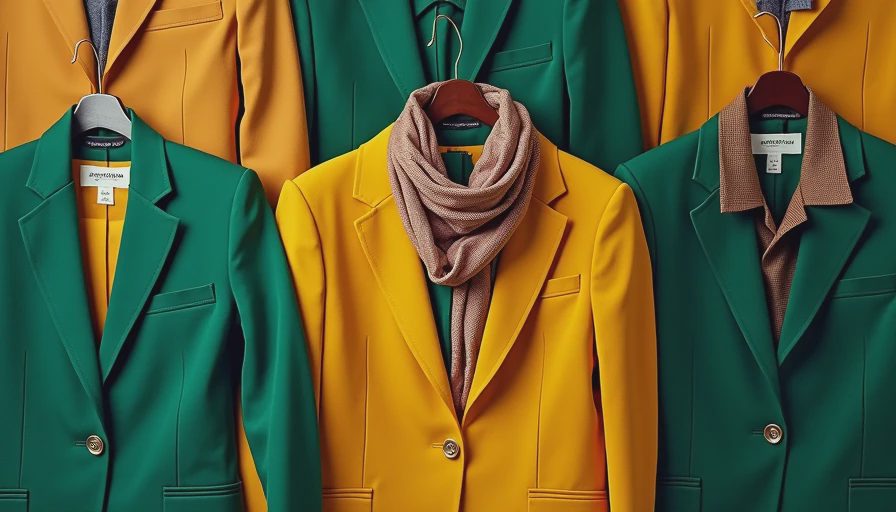
I’ll be honest – not every thrift store find looks expensive right off the rack. But with the right approach, you can absolutely **style thrifted clothes expensive**. It’s not about buying expensive-looking pieces; it’s about how you combine and present them. After years of trial and error, I’ve learned a few tricks that turn my Goodwill scores into outfits that get compliments. You don’t need a perfect closet. You need a closet you’ll actually wear.
Focus on Fabric, Not Labels
The biggest secret to making thrifted clothes look expensive is paying attention to fabric composition. Ignore brand names – they don’t matter when you’re styling. Instead, reach for natural fibers like silk, linen, wool, cashmere, and high-quality cotton. These materials drape better, breathe more, and resist wrinkles compared to cheap synthetics. At a thrift store, you can often find a 100% silk blouse for under $10 or a merino wool sweater for $8. The fabric tag tells the truth. If it’s mostly polyester or acrylic, keep looking unless the cut and weight are exceptional. A real fiber garment will automatically look more expensive once you put it on.
Fit Is Everything – Tailoring Basics
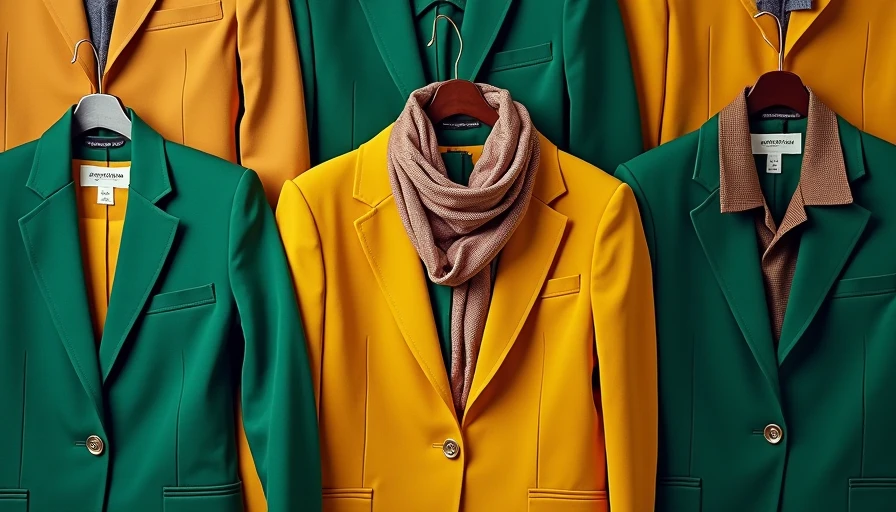
You can have the most beautiful fabric in the world, but if the fit is off, it will look cheap. That’s where a few basic alterations come in. I’ve learned to hem pants, take in waistbands, and shorten sleeves – or I take them to a tailor. Spending $15 on hemming a pair of $8 thrifted trousers makes them look like they cost $150. Common alterations: hemming pants (about $10–15), taking in a blazer at the waist ($20–25), or shortening straps on a dress ($5–10). Don’t skip this step. A well-fitted thrifted outfit screams intentional style, not “I just grabbed this.” One of my favorite outfits is a thrifted Talbots blazer that I had tailored – it’s now a staple in my wardrobe.
Build a Neutral Foundation
Another way to style thrifted clothes expensive is to stick to a cohesive color palette. Neutrals like black, white, navy, beige, olive, and gray make mixing and matching effortless. When your base pieces all work together, your thrifted items look deliberate and curated, not random. For example, a pair of beige linen pants from a thrift store paired with a white cotton blouse and a structured blazer creates a clean, polished outfit. Then you can add one “pop” thrifted piece – like a colorful scarf or a patterned skirt – without it looking chaotic. A neutral base also lets you repeat outfits without anyone noticing.

Accessorize Intentionally
Accessories can instantly elevate thrifted clothes. A good quality leather bag, simple gold jewelry, a silk scarf, or a structured belt can make even the most basic thrifted dress look expensive. I always keep an eye out for secondhand leather bags – many thrift stores have genuine leather options for $15–30. Pairing a thrifted wool coat with a leather crossbody bag and a pair of clean leather boots gives off high-end vibes without the price tag. Even washing and steaming your thrifted pieces before wearing makes a huge difference – wrinkles and odors are the fastest way to look unkempt.
Maintain Your Finds
Finally, making thrifted clothes look expensive means taking good care of them. I steam my clothes before wearing, store them properly (like hanging blazers and folding knits), and fix small issues like loose buttons or pilling immediately. A little maintenance goes a long way. And those care labels? They’re not just for show – following wash instructions keeps fabrics looking new longer. I’m not an eco saint, just trying to buy fewer dumb things. But when you style thrifted clothes expensive, you’re not just saving money – you’re building a wardrobe that feels luxurious and lasts.
Seasonal Styling: Rotate Thrifted Staples for Year-Round Elegance
To consistently style thrifted clothes expensive, think about seasonality. A heavy wool blazer looks out of place in July, and a linen dress won’t work in December. I rotate my thrifted finds by season: lightweight blazers, linen trousers, and silk blouses for spring/summer; cashmere sweaters, wool coats, and corduroy pants for fall/winter. This doesn’t mean buying new each time – I store off-season pieces in breathable bins and swap them out. A quick checklist: steam before wearing, check for loose threads, and pair with seasonal accessories. For example, a thrifted cream wool coat with a scarf and leather gloves in winter, or that same coat layered over a thin turtleneck in early spring. By matching your thrifted pieces to the weather, you avoid that “I just grabbed what’s available” look. Planning your rotation ahead of time also helps you spot gaps – maybe you need a mid-weight jacket for transitional months. Hit your local thrift store twice a year to fill those gaps. This approach keeps your wardrobe fresh and expensive-looking every season.
So next time you’re thrifting, remember: fabric, fit, and finishing touches matter more than the label. With these tips, you can style thrifted clothes expensive and feel amazing in what you wear.


No comments yet — grab the first one.