
If you scroll through modern interior design platforms or lifestyle blogs, you will notice a highly specific visual trend dominating bathroom vanities. Gone are the days of bright, neon, drugstore plastic bottles. Instead, the modern vanity is a curated sanctuary of "clean beauty" aesthetics: heavy frosted glass bottles, textured paper labels with architectural serif fonts, earthy pastel ceramics, and lids crafted from raw bamboo.
On a purely sensory level, this packaging is incredibly effective. The weight of a heavy glass jar in your hand subconsciously signals high-end luxury, clinical purity, and environmental responsibility. You naturally assume that if a brand spent this much effort crafting an eco-conscious, beautiful bottle, the liquid inside must be a revolutionary, highly concentrated miracle for your skin barrier.
But just like we uncovered the truth about compulsive consumption in "thrift hauls" and analyzed the structural reality of budget drugstore moisturizers, we have to apply that exact same cold, analytical skepticism to our vanity counter.
The cosmetics industry understands a fundamental flaw in human psychology: we buy with our eyes, but our skin cell matrix only reads biochemistry.
When you strip away the beautiful frosted glass, the soothing marketing copy, and the raw wood lids, you frequently find that the "clean beauty" formula inside is completely ordinary—or worse, structurally unstable.

The Financial Distribution Breakdown: What Are You Actually Paying For?
To understand how the clean beauty illusion works, you have to look at the literal manufacturing cost allocation of a standard $65 boutique facial cream.
When a brand focuses on aesthetic-first marketing, your hard-earned money isn't being spent on premium, high-potency active ingredients. Instead, the budget is heavily skewed toward the container and the advertising pipeline:
          [The Cost Distribution of an Aesthetic Clean Beauty Cream]
                                      |
     |--------------------------------|--------------------------------|
     |                                |                                |
[1. Premium Packaging: 40%]     [2. Digital Marketing: 45%]      [3. Raw Formula Assets: 15%]
Heavy frosted glass jars, custom Heavy influencer campaigns,     Basic water, glycerin, standard
bamboo caps, silk-screen prints. paid ads, lifestyle photography. oils, and minimal active percentages.
When you look at this industrial breakdown, the reality becomes glaringly obvious: you aren't investing in advanced skincare science. You are purchasing a highly marked-up glass ornament to decorate your bathroom counter.
Deconstructing the Packaging Over Formula Illusions
Here are the three most common ways high-end "clean beauty" brands use premium design architecture to distract you from an unremarkable or problematic formula:
1. The Weight-Efficacy Association (The Frosted Glass Lie)
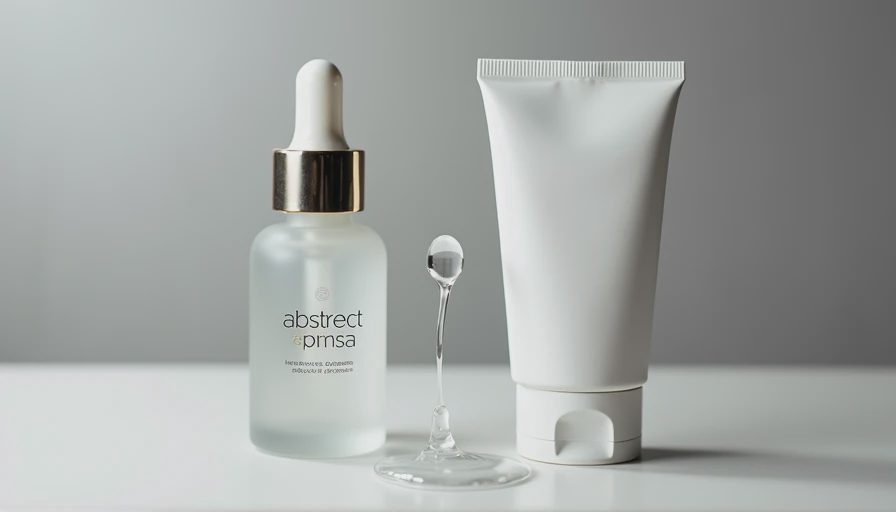
Psychologists call this "sensory transference"—the subconscious habit of transferring your physical feelings about a container onto the product inside. A heavy, thick glass dropper bottle feels stable, permanent, and premium.
The Formula Reality: Open up the ingredient deck. In over 80% of trendy clean beauty serums, the top three ingredients are simply water, glycerin, and a basic carrier fluid like propanediol. These are the exact same foundational humectants used in a six-dollar bottle of generic drugstore lotion. The heavy glass container exists solely to create a psychological justification for a 500% retail price markup.
2. The Bamboo Cap / "Eco-Friendly" Aesthetic Shield
Many clean brands wrap their plastic pump heads in a thin veneer of real bamboo or use unbleached, rustic cardboard boxes to project an image of absolute zero-waste, raw sustainability.
The Formula Reality: Look closely at how the brand preserves its product. Because the "clean" marketing narrative aggressively rejects safe, time-tested synthetic preservatives like parabens, they are forced to use weak, unstable natural alternatives or load the formula with high percentages of denatured alcohol and volatile essential oils (like lavender, rosemary, or citrus). While the bamboo cap looks beautifully organic on your shelf, the unstable formula inside is actively oxidizing on contact with air, exposing your delicate skin barrier to highly irritating sensitizers that cause inflammation and redness.
3. The Minimalist Font / "Transparent" Ingredient Deception
By using clean, clinical, black-and-white layouts that list ingredients in a neat, spaced-out grid, brands mimic the visual design language of a strict medical laboratory. This layout creates an instant illusion of safety, transparency, and high-potency purity.
The Formula Reality: A clean layout doesn't mean a clean formula. When you run a rigorous garment quality check on a piece of clothing, you look for structural fiber density. On a cosmetic bottle, look at the placement of the actual active ingredients. If a brand screams that their cream is a "Potent Niacinamide Complex," but niacinamide is listed below the phenoxyethanol or fragrance line on the back panel, it means the actual concentration of that active ingredient is less than 1%. It is a basic moisturizer dressed up in scientific plagiarism.
The Vanity Audit Reference Guide
To help you audit your current bathroom cabinet under a clear light before spending your next paycheck, use this straightforward material evaluation matrix:
Aesthetic Packaging vs. Active Biochemical Reality
The Aesthetic Packaging Clue | The Claimed Marketing Luxury | The True Back-Panel Ingredient Profile | The Logical Consumer Action |
Heavy Frosted Amber Glass Dropper | "An artisan botanical elixir to restore instant youth and morning glow." | Top ingredients: Sunflower seed oil, synthetic texturizers, high citrus peel oils. | Skip It. High essential oil content oxidizes rapidly and triggers contact allergies over time. |
Matte-Finish Ceramic Tub with Bamboo Lid | "A raw, clean ceramide barrier shield crafted entirely without synthetic chemicals." | Standard water, petrolatum-mimic synthetics, ceramides listed at less than 0.5%. | Skip It. You are paying $60 for a container of basic moisture that a $13 drugstore tub executes better. |
Minimalist Aluminum Squeeze Tube | "An eco-friendly, raw industrial zinc balm designed for sensitive skin matrices." | Pure panthenol, zinc oxide, glycerin, completely fragrance-free and dye-free. | Buy It. The simple packaging matches an honest, high-performance, barrier-healing formula. |
Sleek Acrylic Pump with Clean Typography | "A hyper-advanced hyaluronic acid flash-fluid for medical-grade plumping." | High water and glycerin content, sodium hyaluronate listed at the absolute bottom. | Skip It. Buy a single-ingredient, transparent budget serum instead of paying for the corporate brand logo. |
True Luxury Is Financial Clarity
The modern wellness industrial complex operates on the exact same psychological exploitation as fast-fashion retail. They want to anchor your personal confidence to a continuous cycle of aesthetic purchases. They want you to feel a deep sense of vanity insecurity so that you keep buying beautifully packaged novelties to display to the world.
Your skin cells do not possess eyes. They cannot read a luxury brand’s minimalist logo, they do not admire a frosted glass finish, and they are completely unimpressed by a bamboo lid. They only respond to honest, stable, science-backed biochemistry.
When you learn to step away from the visual hype, reject the elitist paywalls of "clean beauty" marketing, and invest strictly in simple, fragrance-free, budget-friendly formulas housed in humble plastic tubes, you unlock a profound sense of lifestyle freedom. You save your hard-earned receptionist income, protect your physical health from volatile botanical irritants, and reclaim your peace of mind.
True style and self-care aren't found in what you display on a bathroom counter; they are found in the depth of your consumer intelligence, the budget boundaries you protect, and the quiet contentment of knowing you already have exactly enough.
No comments yet — grab the first one.