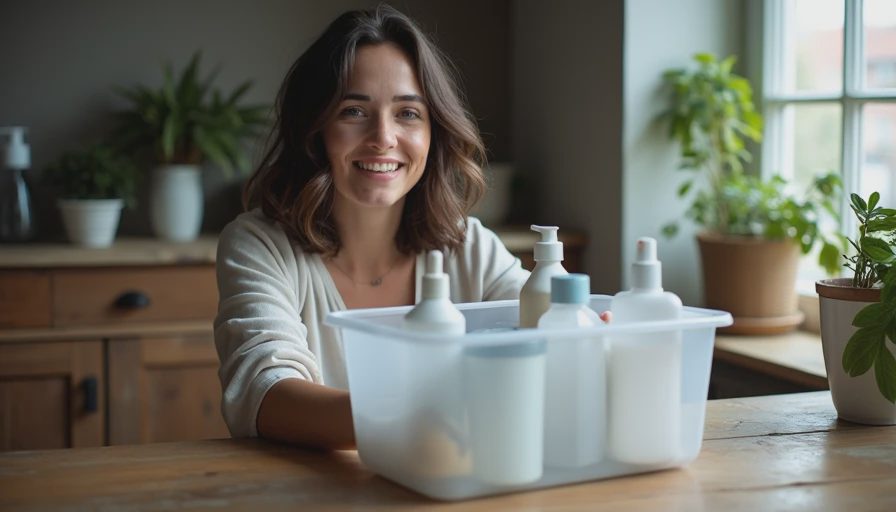
The beauty industry thrives on a continuous loop of fresh novelty. Before you can even finish a quarter of a trendy new serum, a flashing social media algorithm introduces a new "must-have" botanical complex or a re-formulated chemical active. Your bathroom counter quickly becomes a graveyard of half-used, dusty plastic bottles that cost a fortune but ultimately delivered nothing but confusion to your skin cells.
Six months ago, I made a strict pact with myself: I would freeze all new beauty purchases and methodically use every single liquid, gel, and cream on my vanity shelf down to the absolute last drop.
Now that the dust has settled and the bottles are completely empty, I have a crystal-clear perspective on what actually supported my skin barrier on a receptionist's budget—and what was merely expensive marketing fluff.
Here is my honest, unglamorous review of my empty bottles, categorized by what earned a spot in my recycling bin repurchase pile and what I will never waste a hard-earned dollar on again.
The Deceptive Psychology of the Half-Full Bottle
Before breaking down the specific empty products, it's worth addressing a major consumer trap: the illusion of efficacy.
When you first purchase a hyped-up luxury item, your brain experiences a psychological rush of excitement. You look in the mirror during the first week of application and convince yourself that your texture looks smoother or your complexion looks brighter simply because you want to justify the high price tag.
The true test of a product's biochemical worth only happens at the three-month mark, when the initial marketing high has completely faded and the container is completely hollow.
               [The Skincare Efficacy Lifecycle]
                              |
     |------------------------|------------------------|
     |                                                 |
[Month 1: The Novelty High]              [Month 3: The True Vacuum Test]
- Driven by beautiful packaging.          - The bottle is completely empty.
- Placebo-driven skin satisfaction.       - Did your skin barrier actually improve?
- Eager to recommend to friends.          - Do you genuinely miss it on day 91?
If your skin remains perfectly balanced, calm, and clear without that product in your routine during the weeks following its depletion, it means the formula was doing absolutely nothing for your cell matrix. It was an expensive placeholder.

The Post-Mortem: What Left a Void vs. What Was a Waste
Here is the data-driven breakdown of my recent empty bottles, analyzed through a lens of raw utility and cost-per-ounce efficiency.
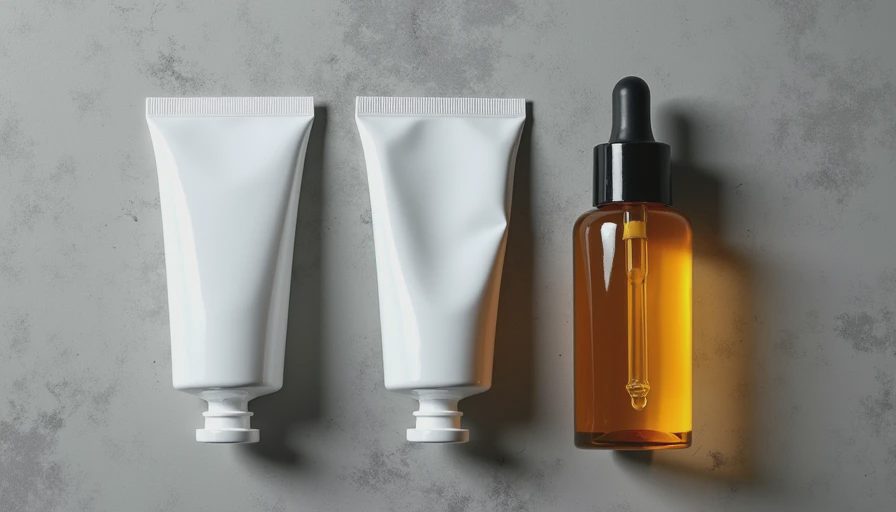
1. The Immediate Repurchase: Ceramide Barrier Cream (~$14.50)
The Verdict: Repurchased instantly (and even cut the plastic tube open with kitchen shears to scrape out the final three days of product).
The Rationale: As someone who stands in the cold Seattle wind during my morning bus commute and then transitions immediately into a heavily heated clinic file room, my skin barrier is under constant environmental stress. This unfragranced, dermatologist-tested formula was the unglamorous workhorse of my evening routine. The weeks after it ran out were a disaster—my skin immediately felt tight, reactive, and prone to dry patches around my nose. It proved to me that pure, biomimetic lipids are an absolute non-negotiable structural baseline for cell health.
2. The Never Missing: High-End Parisian Thermal Mist (~$32.00)
The Verdict: Never buying again.
The Rationale: I bought into the aesthetic dream of this luxurious aerosol can, believing that a midday spritz of mineral-rich French spring water at my reception desk was the ultimate form of self-care hydration. But when the beautiful aluminum can went empty, absolutely nothing changed. In fact, my skin actually felt less dry once I stopped using it. Basic chemistry explains why: spraying un-occluded water onto your face in a dry room causes the droplets to evaporate rapidly, pulling your skin’s internal moisture out into the air along with it. It was literal money evaporating into thin air.
3. The Immediate Repurchase: 100% Plant-Derived Squalane Oil (~$11.00)
The Verdict: Repurchased a larger size bottle.
The Rationale: Squalane is a incredibly stable, non-comedogenic oil that mimics your skin’s natural sebum. This single-ingredient bottle completely replaced my need for complicated, multi-ingredient luxury facial oils filled with irritating lavender or citrus extracts. I add two small drops of this into my budget moisturizer on nights when my skin feels exceptionally stripped, and it delivers a deep, velvety plumping effect without ever triggering a single clogged pore. It is pure, high-efficiency utility for under twelve bucks.
4. The Never Missing: The Trendy Vitamin C Glow Serum (~$68.00)
The Verdict: Left the half-empty bottle to oxidize in the trash.
The Rationale: This high-end serum promised to erase hyperpigmentation and deliver "lit-from-within" radiance using an unstable form of L-ascorbic acid. Not only did the heavy fragrance irritate my sensitive cheeks, but by month two, the clear liquid had turned a dark, rusty amber brown color inside the bottle. This discoloration means the active compound had completely oxidized on shelf contact, rendering it completely useless for my skin cells. It was an incredibly expensive lesson in why trendy, unstable active ingredients are rarely worth the financial strain.
The Empty Bottle Utility Assessment Matrix
To help you perform a rigorous audit of your own current medicine cabinet or vanity shelf setup before spending your next paycheck, use this straightforward reference metric:
Skincare Asset Evaluation Framework
Empty Product Profile | Cellular Skin Response | Financial Cost Analysis | Final Wardrobe/Vanity Status |
Fragrance-Free Ceramide Base | Eliminated flaking, reduced redness, maintained barrier density. | High Utility. Low cost-per-ounce, 100% utilization of the formula volume. | Permanent Repurchase. A foundational anchor of the daily uniform. |
Single-Ingredient Squalane | Provided deep emollient softening without triggering acne breakouts. | High Utility. Multi-purpose use (can also be used to soften dry hair cuticles). | Permanent Repurchase. A high-efficiency, budget-friendly booster asset. |
Fragrant Active Serum | Triggered transient stinging, altered skin texture, oxidized quickly. | Low Utility. High initial cost, significant product volume wasted due to spoilage. | Permanent Ban. A marketing-driven novelty that failed structural testing. |
Aerosol Mineral Water Mist | Caused increased surface dehydration via rapid ambient evaporation. | Low Utility. Absurdly high markup for basic water packaged in single-use aluminum. | Permanent Ban. A sensory luxury that provides zero long-term biological value. |
Reclaiming the Luxury of Simplicity
The modern cosmetic complex operates on the exact same psychological framework as the fast-fashion industry. They want your vanity counter to look like a cluttered retail display case, filled with infinite options so you feel a false sense of security and wealth.
But true wealth is the exact opposite. It is the deep, calming confidence of looking at a pristine, minimalist shelf and seeing only three or four high-performance, empty-tested products that you trust implicitly to protect your body biology.
When you learn to celebrate an empty bottle as a milestone of successful containment and smart financial allocation, your relationship with self-care changes completely. You stop chasing a temporary internet aesthetic and start investing in what is real, reproducible, and respectful of your hard-earned savings. Look at your bathroom shelf tonight under a clear light. Stop asking what you should add next, and start asking what your skin wouldn't even miss if it disappeared tomorrow morning.


No comments yet — grab the first one.