I’ll be the first to admit I used to buy cheap shoes from fast-fashion brands and toss them when they fell apart. But after a few too many heels losing their soles and flats disintegrating after one season, I started looking into sustainable shoes for women. Not because I’m some eco saint, but because I was tired of wasting money. Here’s what I’ve learned from thrifting, repairing, and occasionally splurging on better-made footwear.
Why Sustainable Shoes Matter (and Why It’s Hard)
Shoes are tough to make sustainably. Leather tanning uses chemicals, synthetic materials are plastic-based, and many brands rely on overseas factories with murky labor practices. But the most sustainable shoe is the one you already own or can buy secondhand. According to the EPA, millions of tons of footwear end up in landfills each year. So buying durable, repairable shoes matters. The problem? Good quality costs more upfront, and it can be overwhelming to know where to start. I’m not here to guilt you into a perfect wardrobe—just to share what’s worked for me on a receptionist’s salary.
How to Find Sustainable Shoes on a Budget
Thrifting is my first stop. I’ve scored barely-worn leather boots from brands like Frye and Thursday Boot Company at Goodwill for under $30. Look for shoes with intact soles, smooth lining, and no major scuffs. Check the brand label and Google it on your phone to see if it’s a quality maker. Poshmark and eBay are also great for specific styles. Another trick: follow thrift accounts on Instagram or TikTok that post new arrivals. I once found a pair of gently used Allbirds Wool Runners for $20 because someone posted them five minutes after they hit the floor.
Brands That Walk the Talk (and Where to Find Them Used)
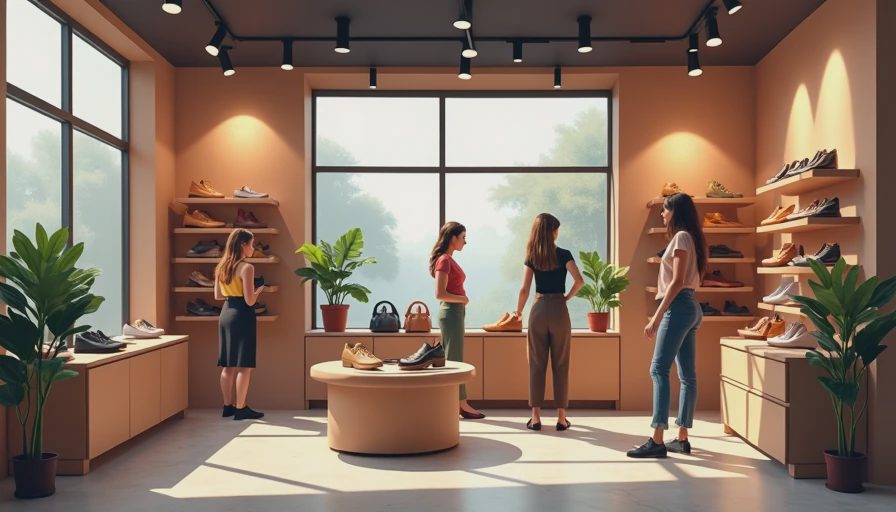
If you’re buying new, certain brands actually try to do better. Allbirds uses natural materials like merino wool and sugarcane-based soles, and they offer a “renewed” program for reselling returns. Veja makes sneakers with organic cotton and wild rubber from the Amazon. Nisolo focuses on transparent pricing and leather from certified tanneries. On the pricier side, Rothy’s knits shoes from recycled plastic bottles. But here’s the honest part: I don’t buy any of these at full price. I set alerts on Poshmark, Mercari, and The RealReal. I’ve found Veja for $40 and Rothy’s for $30. The key is patience and knowing what you want.
What to Look For in Materials
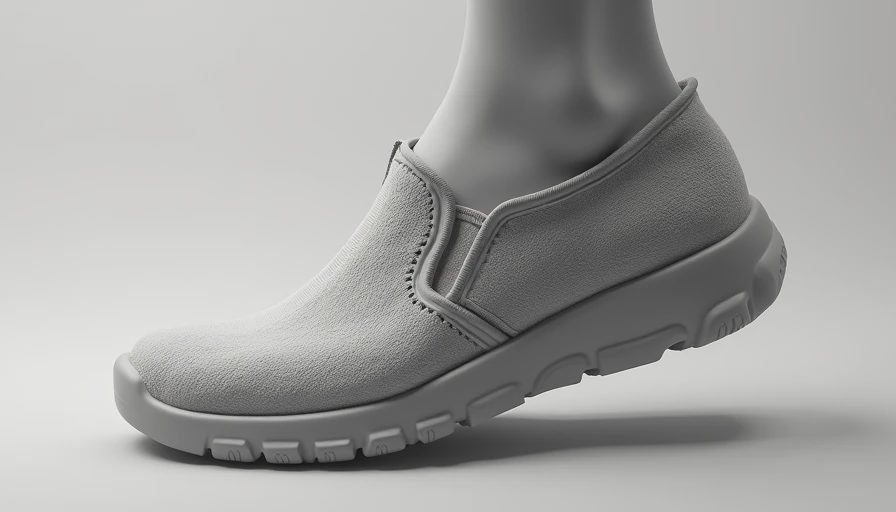
When I’m evaluating a shoe’s sustainability, I flip it over and look at the sole. Natural rubber is better than synthetic rubber or plastic. For uppers, full-grain leather (especially from tanneries rated by the Leather Working Group) can last for years if cared for. Avoid “genuine leather” or “bonded leather”—those are low-quality. If you prefer vegan, look for shoes made from organic cotton, hemp, or recycled plastics (like Thread). Also check if the insole is removable; a replaceable insole means you can extend the life of the shoe even when the padding wears down.
A Realistic Plan for Building Your Shoe Closet
You don’t need to overhaul everything at once. Start by listing what you actually wear. I did a shoe audit and realized I had four pairs of black flats but only wore one. I donated three and saved for a well-made leather bootie I could wear to work and on weekends. Next, focus on versatility: neutral colors, classic shapes, and shoes that work with multiple outfits. When you do buy, check the care instructions—can you resole them? Are replacement insoles available? Budget a little for maintenance, like a cobbler to replace a heel tip for $15. It’s cheaper than buying new.
Quick Checklist for Your Next Thrift Store Visit
Before you head out, save this checklist on your phone. First, know your shoe size in multiple brands—sizes vary wildly. Second, bring a list of styles you actually need (work flats, hiking boots, etc.) to avoid impulse buys. Third, inspect every shoe: check the sole for uneven wear, the lining for tears, and the stitching for loose threads. Fourth, smell the inside—musty odors can be hard to remove. Fifth, check the brand: search it quickly online to see if it's known for quality. Sixth, consider the cost of repairs. A $10 pair of leather shoes that needs a $25 resoling might still be a steal compared to new. Seventh, always try on both shoes; one might be stretched differently. Following this checklist has saved me from buying duds and helped me spot genuine deals. Thrifting is one of the best ways to find sustainable shoes for women on a budget. Last week I found a pair of Autry sneakers for $18 that retailed for $150—the soles were like new. I almost skipped them until I remembered point three about inspecting the sole. That little habit turned a near-miss into a major score.
Final Thought
Look, I’m not going to pretend I never buy a non-sustainable shoe. Sometimes impulse wins. But I’ve cut my shoe waste by about half just by thrifting, repairing, and being pickier about what I bring home. Sustainable shoes for women aren’t about perfection—they’re about making one better choice at a time. Start with your next pair. Check the thrift store first. If you buy new, pick a brand that’s transparent. And when those shoes eventually wear out, see if they can be repaired. Your wallet—and the planet—will thank you.
The fabric tag told the truth. My empties basket is less polite than the brand copy. You don’t need a perfect closet. You need a closet you’ll actually wear.




No comments yet — grab the first one.