I used to think foundation meant layers of heavy liquid that made my skin feel like a mask. Turns out, that was just the stuff I was buying. Pure foundation makeup is a whole different thing. It's coverage that actually lets your skin breathe, with ingredients simple enough that you can actually pronounce them. And the best part? You don't need to spend a fortune or maintain a twelve-step routine to get it right.
What Makes a Foundation "Pure"?
Pure foundation makeup means different things to different brands, but what I look for is a short ingredient list without fillers like dimethicone, parabens, or artificial fragrance. Mineral-based powders and tinted moisturizers with clean ingredients are my go-to. These foundations usually rely on zinc oxide or titanium dioxide for coverage, which also gives you light sun protection. They won't clog your pores or cause breakouts, and they're often packaged in recyclable glass or cardboard. It's not about being a purity saint — it's about picking products that do less harm to your skin and the planet.
Why I Switched to a Simpler Foundation
For years, I used full-coverage liquid foundations that claimed to be "buildable" but really just looked cakey by lunch. My skin got congested, and I was spending $40 a bottle every two months. Then I tried a pure foundation makeup — a simple mineral powder — and it blew my mind. I apply it with a fluffy brush, it evens out my skin tone in thirty seconds, and I don't have to worry about streaks or settling in fine lines. Plus, one jar lasts me almost a year. That's better for my wallet and my bathroom shelf.
How to Find a Good Pure Foundation on a Budget
You don't need to buy luxury clean beauty to get a pure foundation makeup that works. Drugstore brands like Physicians Formula and Neutrogena have mineral powders and clean liquid options under $20. The trick is to check the ingredient lists — look for short lists with things like mica, iron oxides, zinc oxide, and titanium dioxide. Avoid anything with fragrance, alcohol denat., or a long list of silicones. Also, try a sample if you can. Many stores like Ulta allow returns on opened products, so you can test formulas without losing money.
Three Pure Foundation Makeup Options I Actually Use
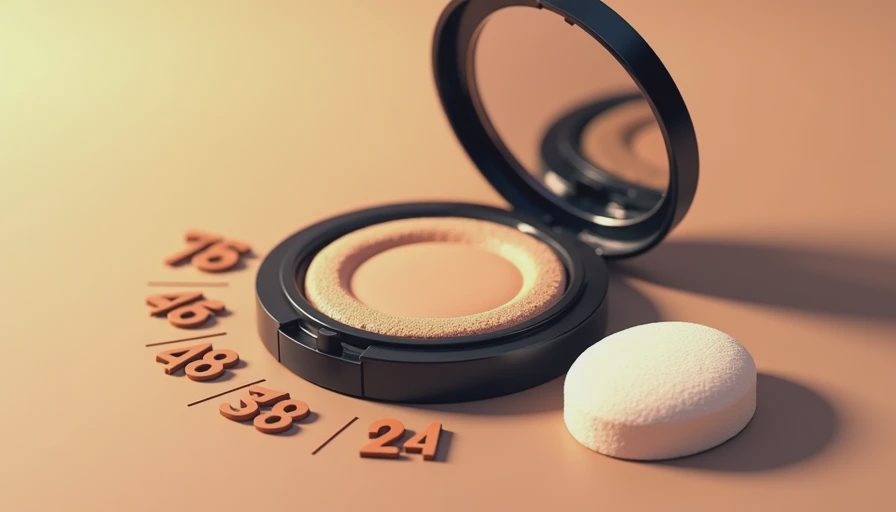
- A mineral powder foundation — My personal favorite is a loose mineral powder (think Everyday Minerals or similar). It gives light to medium coverage and blends in seconds. Cost: around $15-25 per jar. Lasts about a year.
- A non-toxic tinted moisturizer — For days I want a dewy finish, I reach for a clean tinted moisturizer with SPF. Brands like Burt's Bees or Ilia are good, but drugstore versions often work just as well. Cost: $20-35. Lasts about 4-6 months.
- A cream stick foundation — This is great for spot coverage or when I need a bit more. Look for sticks with plant oils and waxes instead of silicones. Cost: $10-20. Lasts about 6 months.
My Morning Routine with Pure Foundation
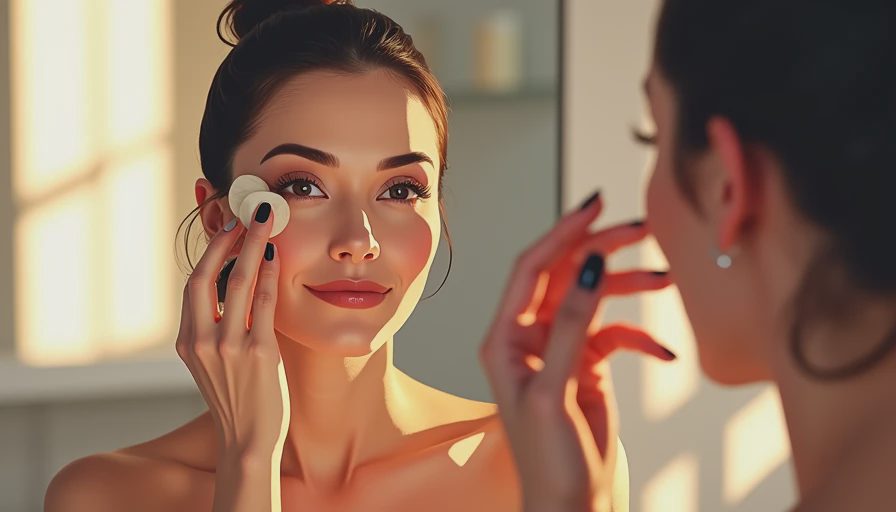
I wash my face with a gentle cleanser, apply a simple moisturizer, and then it's pure foundation makeup time. For my mineral powder, I tap a little into the lid, swirl a kabuki brush, and buff it onto my skin in circular motions. That's it. No primer, no concealer (unless I have a stubborn spot), no setting spray. My whole face takes about 45 seconds. Here's the honest truth: my skin looks better than it did with heavy foundation because I'm not covering up texture — I'm just softening the redness. My boyfriend even noticed, which is saying something.
When to Use Full Coverage Instead
There are days I still want more. Job interviews, weddings, or nights out call for something a little more opaque. That's fine. Pure foundation makeup isn't about being perfect all the time — it's about having a light everyday option that works. On those special occasions, I might use a clean liquid foundation or even a traditional formula I already own. The goal isn't zero waste; it's less waste. So I keep one full-coverage option in rotation, but it lasts ages because I use my pure foundation makeup for 90% of my mornings.
A Quick Checklist for Choosing Pure Foundation Makeup
When you're shopping for a pure foundation makeup, run through this mental checklist. First, look at the ingredient list. Aim for fewer than 15 ingredients, and make sure the first five include zinc oxide or titanium dioxide. Second, decide on the finish. Powders work best for oily skin, while creamy sticks suit dry skin. Third, test the shade. Many online stores offer color-match tools, but I recommend swatching in store if you can. Fourth, check the packaging. Glass jars or cardboard compacts are better than plastic tubes because they're easier to recycle. Fifth, consider your budget. You can get a good pure foundation makeup for under $20, so don't let the word "pure" trick you into spending $50. I also check whether it contains SPF — many mineral powders have SPF 15 to 20, which is a nice bonus for daily wear. Using this checklist, I've narrowed my collection to three reliable pure foundation makeup options, and my mornings are faster than ever.
Final Thoughts: Keep It Simple
If you're curious about pure foundation makeup, start with a mineral powder tryout. They're cheap, easy to use, and forgiving. You might find, like I did, that your skin actually prefers less stuff. Sustainability isn't about a perfect routine — it's about one better habit at a time. And swapping your liquid foundation for a simpler powder is a pretty easy swap. Now I have more room in my drawer, more money in my pocket, and more time in my morning. That's a win.




No comments yet — grab the first one.