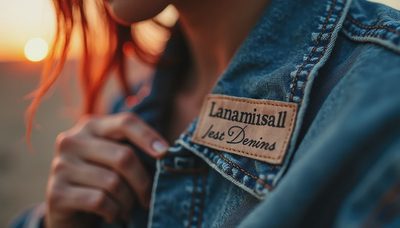
I’ll be honest: I used to grab anything that looked cute at the thrift store and hope for the best. Then I’d get it home, wash it once, and watch it pill into a sad, fuzzy mess. That’s when I started paying attention to secondhand fabric labels. Learning how to read those tiny tags has saved me from so many bad buys. It also helped me find genuine quality pieces that last for years.
Understanding secondhand fabric labels isn’t just about fiber content. It’s about knowing how a garment will wear, wash, and hold up over time. Whether you’re a seasoned thrifter or just dipping your toes into secondhand shopping, this guide will help you decode those little squares of information.
Why Fabric Labels Matter When Thrifting
You can’t try on a fabric’s future at the store, but the label tells the story. A secondhand fabric label reveals the fiber composition, care instructions, and often the country of origin. That information directly translates to how the item will look after a few wears. For example, a blouse labeled 100% polyester might sound cheap, but if it’s a high-quality poly crepe, it can drape beautifully. On the other hand, a cotton-poly blend might shrink or fade unevenly.
When you’re shopping secondhand, you don’t have the luxury of a return policy (most thrift stores are final sale). So being able to assess a garment by its label is a real skill. Over time, I’ve learned to flip over the tag before even checking the size.
What to Look for on Secondhand Fabric Labels
Let’s break down the key info you’ll find on secondhand fabric labels.
- **Fiber content**: This is the biggest clue. Natural fibers like cotton, linen, wool, and silk generally breathe better and last longer, but they require more careful washing. Synthetics like polyester, nylon, and acrylic can be durable and wrinkle-resistant, but they may not age as gracefully.
- **Care instructions**: Look for “machine wash cold” or “hand wash.” If a label says “dry clean only,” factor that into your cost and effort. Some dry-clean-only items are worth it (like a quality wool coat), but for everyday wear, I stick with machine-washable.
- **Country of origin**: While not a quality guarantee, items made in countries with strong textile traditions (Italy, Japan, USA) often indicate better construction. But don’t rule out other countries — many well-made pieces come from China and India too.
- **Brand name**: Some brands are known for quality even in their secondhand items. Over time, you’ll learn which labels are safe bets.
Common Fabric Types and Their Care Labels
Here are a few fabrics you’ll often see on secondhand fabric labels and what they really mean.
- **Cotton**: Soft, breathable, biodegradable. Look for 100% cotton or cotton blends with a small percentage of elastane for stretch. Care: Machine wash cold, tumble dry low or line dry to avoid shrinkage.
- **Linen**: Lightweight, crisp, gets softer with wear. Often blended with cotton or rayon. Care: Hand wash or gentle machine cycle. It wrinkles — that’s part of the charm.
- **Wool**: Warm, durable, naturally odor-resistant. Labels may specify merino, lambswool, or cashmere. Care: Hand wash or dry clean. Never machine wash unless labeled “superwash.”
- **Polyester**: Versatile and cheap, but can feel sweaty. Higher-quality polyester (like microfiber) is better. Care: Machine wash, but avoid high heat which can melt the fibers.
- **Rayon/Viscose**: Soft drape but prone to shrinking and pilling. Often dry clean recommended. I usually skip rayon unless it’s a unique pattern.
How to Check Condition and Pilling
The label tells you the fiber, but your eyes and hands tell you the condition. Secondhand fabric labels don’t show pilling, but you can guess based on the fiber. Synthetics pill more than natural fibers, especially in high-friction areas like underarms and inner thighs. Run your hand over the fabric — if you see little balls of fuzz, it’s already pilling and will only get worse.
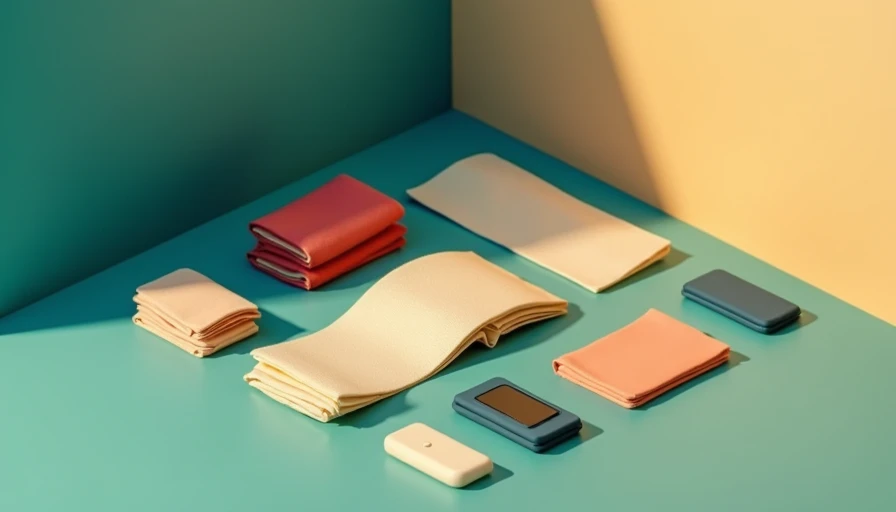
Another trick: hold the garment up to the light. If you see thin spots or fading, that’s wear that won’t reverse. Also check the seams and hems. A well-constructed piece will have flat seams and secure stitching. Poor construction can lead to unraveling after a few wears.
My Cheap Trick for Testing Fabric Quality
Here’s a quick test I do after reading the secondhand fabric label. Rub the fabric between your fingers for a few seconds. If it starts to snag or feel fuzzy, it’s likely low-quality. If it stays smooth, it’s a good sign. I also do the “scrunch test”: crumple the fabric in my fist for 10 seconds, then release. If it wrinkles badly, it’s either delicate or synthetic — decide if that bothers you.
Remember, secondhand shopping is about finding pieces that work for your life. You don’t need a perfect closet — just a closet you’ll actually wear. Paying attention to secondhand fabric labels is one small habit that makes a big difference.
Happy thrifting — and don’t forget to check the label before you check out.

No comments yet — grab the first one.