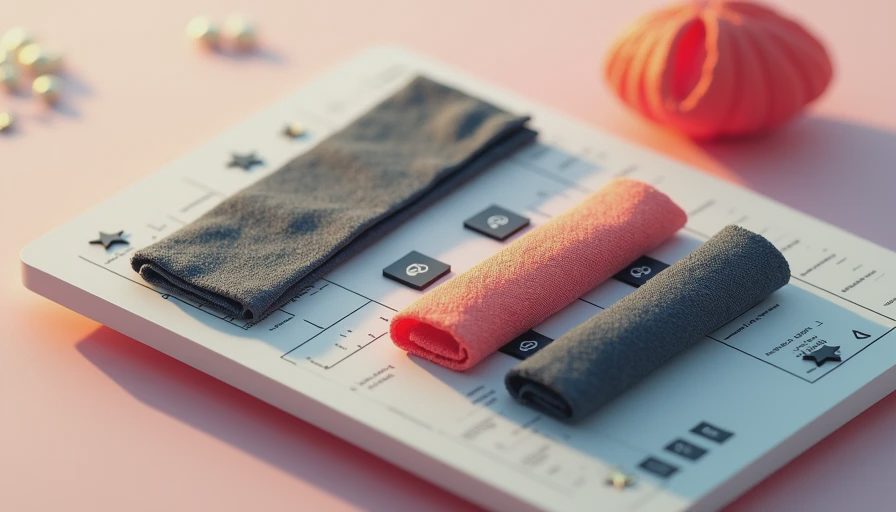
I’ve been thrifting for years, and if there’s one thing I’ve learned, it’s that **thrift fabric quality labels** tell you everything you need to know before you buy. That little tag inside the collar or seam? It’s the difference between a score that lasts years and a regret that pills after one wash. Here’s how I read them—and how you can too.
When you’re shopping secondhand, you don’t have the luxury of brand hype or packaging. All you have is the fabric label. And honestly, that’s better. **Thrift fabric quality labels** give you the raw facts: fiber content, care instructions, and often the country of origin. Once you know what to look for, you can spot a high-quality piece in seconds.
Why Fabric Labels Are Your Shopping Superpower
It’s easy to get distracted by a cute print or a trendy silhouette. But the fabric label is the truth-teller. I’ve grabbed polyester blouses that looked great on the hanger only to find they felt clammy and static-y after five minutes of wear. Now I always check **thrift fabric quality labels** first. A label that says 100% cotton, linen, wool, or silk is a green light. A label heavy on acrylic, polyester, or nylon? Proceed with caution unless you specifically want that synthetic feel.
The Common Symbols and What They Mean
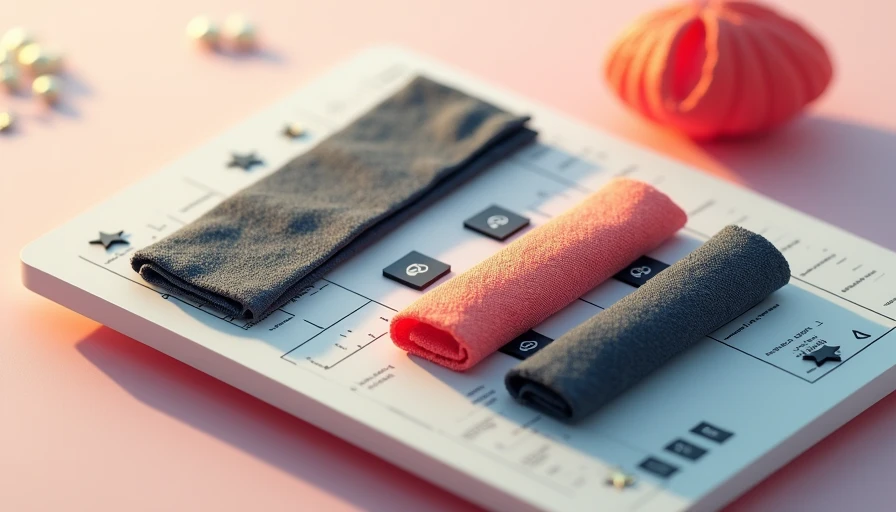
Care symbols can look like hieroglyphics, but they’re actually straightforward once you learn the basics. A washing tub with a number inside tells you the max temperature (e.g., 30°C means cold wash). A triangle with a cross means no bleach. A circle means dry-clean only—which isn’t automatically bad, but be honest about whether you’ll actually take it to the cleaners. **Thrift fabric quality labels** also show you the fabric composition by percentage. I always look for at least 50% natural fiber if I want breathability and durability.
Best Natural Fibers to Hunt For
When I spot a **thrift fabric quality label** that says 100% merino wool or 100% linen, I grab it. Wool sweaters from brands like Pendleton or vintage cashmere from Scotland are common thrift finds. I once found a 100% linen blazer for $6—retail would have been over $100. Cotton is great too, but check the weave. A tight, smooth weave (like broadcloth or poplin) lasts longer than loose weaves. Silk can be delicate but is beautiful for blouses and scarves. Cotton/linen blends offer a nice middle ground: less wrinkly than pure linen but still breathable.
Red Flags on the Label
Not every **thrift fabric quality label** is a winner. Here’s what I treat as warning signs: 100% polyester (it pills and traps sweat), acrylic (it pills even faster), and low-quality rayon (it can shrink or distort). Also, if the label is printed on stiff, scratchy fabric, it’s often a sign of cheap manufacturing. Similarly, if the care label says “dry clean only” for a casual cotton shirt, it might be overpriced fast fashion trying to look fancier than it is. Trust the label, not the brand name.

How to Check Condition Beyond the Tag
The fabric label tells you what it’s made of, but you still need to inspect the garment. Look for pilling, thinning, or stains that might not come out. For wool, check for moth holes. For silk, look for fraying near seams. I also give the fabric a gentle stretch—if it bounces back, it’s good quality; if it stays stretched out, it’s likely cheap elastane that will sag. Pairing the info from **thrift fabric quality labels** with a hands-on check is the ultimate thrift move.
Putting It All Together
You don’t need a perfect closet—you need a closet you’ll actually wear. And that starts with buying clothes built to last. Next time you’re at the thrift store, take an extra 30 seconds to flip the collar and read the **thrift fabric quality labels**. You’ll be amazed at how much better your finds hold up. I’ve saved hundreds of dollars by skipping synthetic blends and sticking with natural fibers. Give it a try, and let me know what labels you spot on your next thrift run!
A Quick Thrift Label Checklist
To make the most of **thrift fabric quality labels**, run through this quick checklist before you buy:
- **Fiber content:** Look for 100% cotton, linen, wool, or silk. Blends with at least 50% natural fibers are good too. Avoid high percentages of polyester, acrylic, or low-quality rayon.
- **Care symbols:** Check if the garment needs dry cleaning. If it's a casual piece, hand wash or machine wash is more practical. Also, avoid items with "do not wash" or "professional dry clean only" unless you're prepared for the added cost.
- **Country of origin:** Labels from Italy, Japan, the USA, or Portugal often indicate higher quality construction. While not a guarantee, it's a helpful clue.
- **Brand name:** Some brands are known for quality even in thrift stores. Look for older labels from companies like Pendleton, Woolrich, or high-end department store brands. But don't rely solely on brand—check the fabric first.
- **Physical feel:** Hold the fabric against your cheek. Natural fibers feel soft and breathable; synthetics can feel clammy or rough. Also, stretch the fabric gently—good quality returns to shape.
By following this checklist, you'll quickly become a thrift pro. Remember: the label is your best friend. Happy thrifting!


No comments yet — grab the first one.