You don’t need a perfect closet. You need a closet you’ll actually wear. That’s where thrift shopping hacks professionals use every day come in. I’ve been thrifting for years, and I’ve learned that the pros don’t just grab things off the rack—they have strategies. These thrift shopping hacks professionals rely on can save you money and upgrade your whole wardrobe without spending much. Let’s get into the real methods that work.
Know the Fabric Tag Before You Buy
The first thing a thrift pro does? Check the tag. Not just for size, but for fabric content. Natural fibers like cotton, linen, wool, and silk last longer and breathe better than polyester blends. I once bought a polyester blouse that looked great on the hanger but felt like a plastic bag after one wash. Now I run my hand over the garment first—creases mean natural fibers. And if it’s 100% polyester, I usually put it back unless it’s a vintage piece with a unique print. This habit alone has tripled the lifespan of my thrifted finds.
Shop the Right Neighborhoods and Days
Location matters more than you think. Thrift stores in affluent neighborhoods often have better brands—think J.Crew, Banana Republic, even higher-end labels. I plan my trips for Tuesday or Wednesday mornings when stores restock after the weekend rush. You’ll get first pick before crowds sweep through. Some pros also follow their local Goodwill or Salvation Army on social media for 50%-off color-of-the-week tags. That’s how I snagged a nearly new wool blazer for $4. It’s about working the system, not just luck.
Don’t Overlook the Men’s Section
This is a hack I picked up from watching thrift-flip YouTubers. Men’s section often has high-quality basics like button-downs, blazers, and sweaters in larger sizes—perfect for oversized looks or tailoring down. I’ve found cashmere sweaters in the men’s rack that cost a fraction of what women’s cashmere goes for. Plus, men’s shirts usually have better stitching and thicker fabric. Just check the shoulders and length; if they’re too big, a quick alteration can fix that.
Alterations Are Your Secret Weapon
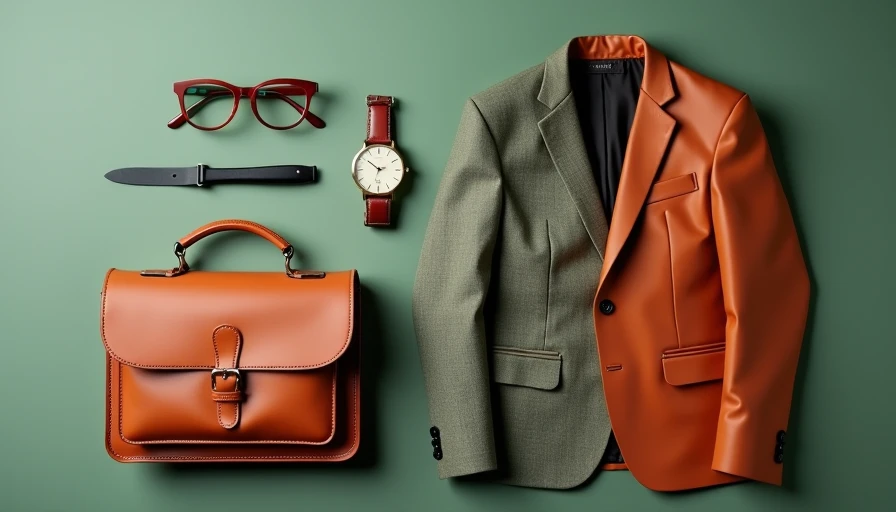
You don’t need to be a sewing expert to make thrifted clothes fit. A simple hem tape or basic hand stitch can shorten sleeves or take in a waist. My go-to YouTube teachers are Blue Willa and Catherine Sews—they make it look easy. I’ve spent $10 on a thrifted dress that needed a $15 tailor fix, and it fits like it was made for me. That’s way cheaper than buying new. Remember: fit is everything. A perfect fit often hides a lower price tag.
Build a Rotation, Not a Stockpile
It’s tempting to grab everything that looks decent, but pros know fewer, better pieces win. Before buying, ask: “Will I wear this at least 30 times?” If the answer’s no, leave it. I keep a rotating wardrobe of about 40 items—everything mixes and matches. That cuts clutter and saves time. Thrift shopping hacks professionals use aren’t just about scoring finds; they’re about curating a closet you love to wear.
Your Thrifting Checklist: What the Pros Check Before Buying
Before you even try something on, go through this mental checklist used by seasoned thrift shoppers. Thrift shopping hacks professionals recommend scanning these five factors in under 30 seconds per item:
- **Fit Check**: Does it fit in the shoulders? Too-tight shoulders are hard to alter. Pants? Check rise and inseam—tailoring those costs more.
- **Fabric Quality**: Hold up to the light. Snags, pills, thin spots? Natural fibers breathe and last.
- **Stitching & Seams**: Turn inside out. Look for straight stitches, no loose threads. Double-stitched hems are a good sign.
- **Buttons & Zippers**: Test every buttonhole and zip smooth. Missing buttons are an easy fix; broken zippers are not.
- **Brand & Care Label**: Recognizable brands often hold value. Check care instructions—dry clean only might add cost.
This checklist alone can turn a mediocre thrift trip into a goldmine. For example, I once picked up a cashmere sweater from the men's section for $8. The tag said dry clean only, but the fabric was pristine. A $10 dry cleaning and it looked brand new. Compare that to a new cashmere sweater—easily $100+. That's an 82% savings, and I didn't have to compromise on quality. Thrift shopping hacks professionals use this kind of cost-benefit analysis to build high-end wardrobes on a budget.
Quick FAQ: Thrift Doubts Answered
**Q: Should I thrift formalwear?**
A: Yes, but focus on blazers and trousers. Avoid heavily worn suits unless you plan to tailor.
**Q: How do I know if a piece is worth altering?**
A: If the fabric quality is high and the alteration cost is less than 50% of the retail price of a similar new item, it's worth it.
**Q: What's the best way to clean thrifted clothes before first wear?**
A: Wash with hot water and detergent plus a cup of white vinegar. It eliminates odors and kills bacteria.
Armed with this checklist and these answers, you're ready to thrift like a pro. Start with one trip, focus on one category (like blazers or denim), and you'll see the difference. Remember, thrift shopping hacks professionals use are simple—but consistent practice makes them second nature.
Final Thoughts
Thrifting doesn’t have to be overwhelming. Start with one hack—check fabric, shop a different neighborhood, or learn a simple alteration. You don’t need a full reset, just one better habit. My empties basket is less polite than the brand copy, but my closet is more honest. Happy hunting!



No comments yet — grab the first one.