
The Sustainability Narrative Has an Accessibility Problem
Let’s be completely honest right out of the gate: most of the sustainable fashion world feels like it was designed for people who don't have to clock into an office at 7:45 AM or worry about how much a dental crown costs when you don't have premium insurance.
Every time I scroll through social media and see a "conscious lifestyle" creator touring their beautifully curated, completely custom-made wooden wardrobe filled exclusively with $300 organic linen wraps and ethically sourced alpaca wool capes, my bank account laughs out loud. It’s a beautiful aesthetic, sure. But for those of us paying Seattle rent while working a front-desk job, that version of sustainability isn't just out of reach—it’s an entirely different planet.
I started this blog because I was tired of feeling like I wasn’t doing enough just because I couldn’t afford to replace my entire closet with certified eco-friendly luxury labels. I work as a dental clinic receptionist. My days are spent answering phones, managing messy scheduling software, arguing with insurance companies, and smiling at people who really, really don't want to be there. By the time I get home to my boyfriend and our apartment, my mental battery is running on about four percent. I don’t have the energy to weave my own textiles out of gathered dandelion stalks, and I certainly don't have the cash to drop a quarter of my monthly paycheck on a single silk blouse just because it has an eco-certified hangtag.
If you’ve ever looked at the slow-fashion movement and felt excluded by the price tags, you are not alone. This space is for the rest of us. I’m not an eco-saint, and I am absolutely not trying to buy fewer dumb things to achieve moral superiority. I'm just a normal person trying to spend less money, waste fewer resources, and get a little more mileage out of the items I already own.
The Real-World Sustainability Spectrum

[Luxury Eco-Labels] ------------------ [The Realistic Middle Ground] ------------------ [Fast Fashion Cycle]
  - $300+ organic linen                  - Thrifting with a keen eye                   - Constant buying/purging
  - Aesthetic perfection                 - Basic mending and DIY flips                 - Micro-trend chasing
  - High financial barrier               - Focus on wearability & labels               - Low quality, high waste
Defining the Real-Life Wardrobe Bottleneck
When you live on a real budget, your relationship with clothing is dictated by two major constraints: money and time. Fast fashion solved the money problem by making clothing ridiculously cheap, but it created an entirely new set of issues. The garments are literally engineered to fall apart after three washes, the synthetic materials make you sweat at your desk, and the constant cycle of micro-trends makes you feel like you're constantly falling behind.

On the flip side, the conventional "sustainable fashion" solutions often fail because they ignore the reality of everyday life. To help visualize where things go wrong, let's break down the hidden costs of the choices we are presented with:
The Hidden Financial and Time Commitments of Fashion Choices
Wardrobe Strategy | Upfront Financial Cost | Hidden Time/Energy Cost | Expected Longevity | Reality Check |
Fast Fashion Hauls | Very Low (Initial buy) | High (Constant replacing/shopping) | Very Low (Months) | Seems cheap, but you end up re-buying basics every single season because seams split and fabric pills. |
Luxury Sustainable Labels | Exceptionally High | Low (High convenience) | High (Years) | Beautifully made, but completely unrealistic if you have rent, student loans, or a standard salary. |
The Intentional Secondhand Approach | Low to Medium | Medium (Hunting & inspecting) | Medium to High | Requires learning how to spot quality, check fabric labels, and do minor repairs. |
When we choose the intentional secondhand approach, we are trading a little bit of our time and focus for a massive increase in quality and a major decrease in environmental impact. But notice that I said intentional. Thrifting can easily become just another form of mindless consumerism if you’re just buying massive piles of cheap polyester items at Goodwill because they only cost four dollars apiece.
The goal of Shelf & Seam is to give you the practical toolset to navigate that middle ground. That means knowing exactly what to look for on a garment tag before you walk up to the cash register , understanding how to handle a needle and thread well enough to fix a fallen hem , and learning to look at your existing closet not as a source of boredom, but as a puzzle with dozens of unmapped combinations.
The "Good Enough" Rule of Sustainable Living
You will never hear me claim that my lifestyle is zero-waste. If you look under my bathroom sink right now, you will find products with plastic pumps that cannot be recycled in my city’s standard blue bin. Why? Because the formula inside actually stops my skin from flaring up into a sensitive, red mess, and I haven't found a zero-waste, plastic-free alternative that works for my face and costs less than twenty dollars. And that is completely okay.
We need to collectively move past the idea that sustainability is an all-or-nothing sport. If you can't afford a full wardrobe reset, you don't need one—you just need one better habit.
Here are the four core pillars that guide this blog and my own daily life:
Thrift Better: Buying secondhand shouldn't feel like gambling. It’s about building an eye for fabric weights, seam construction, and silhouettes that stand up to daily wear. We’ll talk about how to analyze garment labels at Goodwill so you can spot genuine wool, silk, and heavy-duty cotton amidst the sea of cheap polyester.
Flip & Fix: I am entirely self-taught. I learned how to sew from watching YouTube creators like Blue Willa and Catherine Sews while sitting in bed on a Friday night. I have definitely made some catastrophic errors with a pair of fabric scissors that ended up in the trash. But I’ve also saved dozens of items by simply replacing a broken zipper, moving a button, or taking in a waistline. If I can do it, you can too.
Outfit Repeat: Somewhere along the way, modern style culture convinced everyone that wearing the same outfit twice in a month is a fashion crime. That is a corporate marketing lie designed to keep you spending. Outfit repeating is not a failure of creativity; it is the entire point of owning clothes you love. We will explore how to style standard wardrobe pieces repeatedly for work and weekend life without getting bored.
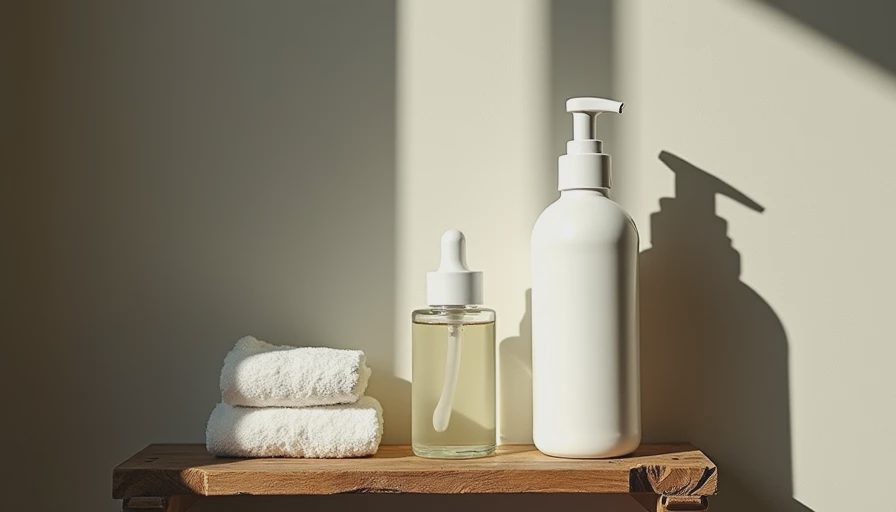
Shelf Space: My skincare routine is intensely boring. It is mostly anchored by basic, unglamorous brands like CeraVe or The Ordinary. Before I buy any new product, I pull up the ingredient list on a site like INCIdecoder to see if the formulation actually justifies the price tag. My empties basket is consistently less polite than the brand copy, and we are going to look past the pretty packaging together.
What to Expect Around Here (and What to Turn Away For)
This blog isn't going to be a highly polished aesthetic mood board. I live in a regular apartment with uneven natural light, my boyfriend frequently questions whether my thrifted finds are "treasure" or "literal junk" (he is occasionally right about the junk) , and I do not have a professional photography crew following me around the streets of Seattle.
You don’t need a perfect closet. You just need a functional, resilient closet filled with items you actually wear and know how to care for.
If you are looking for a space that ranks your moral purity based on your carbon footprint, or a platform that showcases high-end designer pieces under the guise of "investment buying," there are thousands of other websites out there that will cater to that.
But if you want honest, budget-aware, occasionally messy advice on how to make your wardrobe and your skincare routine work a little harder for you, then I am incredibly glad you found your way here.
Let's stop aiming for flawless execution and focus on building better habits that we can actually stick to over the long haul. Welcome to Shelf & Seam.




No comments yet — grab the first one.