I used to think that any clothing fix required a sewing machine or at least a needle and thread. But after a few embarrassing attempts that left me with knotted thread and a ripped hem, I discovered no sew alterations beginners can actually pull off. These methods rely on products like hem tape, fabric glue, and safety pins instead of stitches. They are perfect for thrift flips, adjusting ill-fitting basics, or repairing a quick tear before work. You don't need a sewing room or any special skills.
The best part? You save money and keep clothes out of landfills. I've used hem tape to shorten at least six pairs of pants and fabric glue to fix a broken seam on a favorite thrifted blazer. It takes about ten minutes and costs under five dollars. That beats a tailor's fee any day. Let's walk through the tools and techniques that work, plus a few honest warnings about when you should still hand it over to a pro.
Why No Sew Alterations Are a Game Changer for a Realistic Wardrobe
If you are like me, you have a pile of clothes that almost fit. Maybe the pants are a little long, the waistband gapes, or a sleeve needs shortening. A tailor can fix these, but each alteration might cost fifteen to thirty dollars. On a budget, that adds up fast. No sew alterations beginners can do at home cost pocket change in comparison. A roll of hem tape is about four dollars and handles multiple garments. Fabric glue runs six to eight dollars for a bottle that lasts through many fixes. Safety pins are practically free.
Beyond saving money, these methods let you experiment. You can hem a pair of jeans, decide you don't like the length, and change it again because there are no permanent stitches. It encourages you to take risks with thrifted pieces you might otherwise skip. I once bought a gorgeous wool skirt that was two inches too long. Hem tape fixed it in minutes, and I wore it to work the next day. That skirt cost eight dollars at Goodwill. The satisfaction of making it fit was priceless.
The Best Tools for No Sew Alterations Beginners Should Know
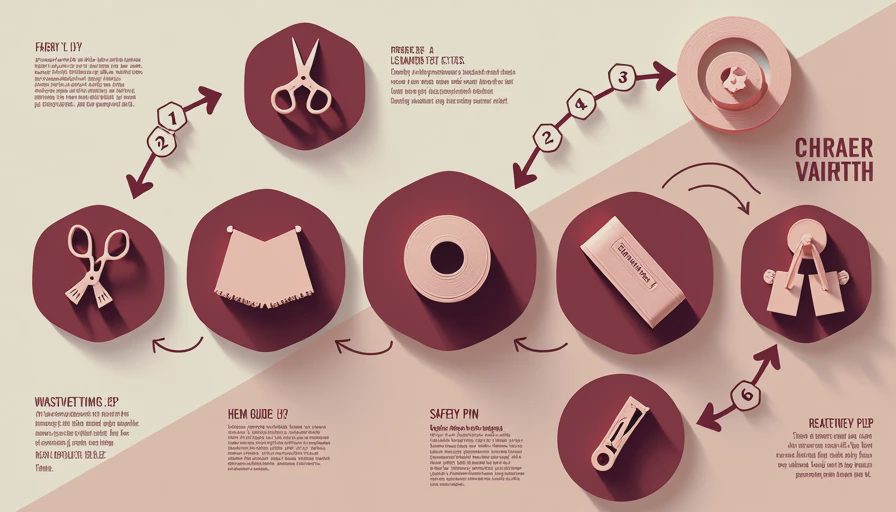
Before you start, gather a few basics. Hem tape (also called fusible bonding web) is the star. Dritz Stitch Witchery is the most common brand, and it works on most fabrics. You iron it between two layers of fabric, and it melts into a permanent bond. Perfect for hems and seams. Fabric glue is another must. Aleene's Fabric Fusion is a solid choice that dries clear and stays flexible after washing. For temporary fixes, use safety pins or fashion tape. Fashion tape is double-sided and great for keeping a neckline in place or securing a hem for a single wear.
Also useful: a ruler or measuring tape, scissors, an iron, and a damp cloth (to protect the fabric when ironing hem tape). That's the whole kit. You probably already own the iron and scissors. Total investment under fifteen dollars.
One caveat: not all fabrics work well with no sew methods. Heavy denim, leather, and slippery synthetics can be tricky. But for cotton, wool, linen, and most blends, these tools do the job. Always test on an inconspicuous area first. I learned that the hard way when fabric glue bled through a thin polyester blouse.
How to Hem Pants Without Sewing
Hemming is the most common alteration, and no sew versions work great for beginners. Here is the process:
- Try on the pants and mark the desired length with pins or chalk.
- Cut off the excess fabric, leaving about an inch for the hem allowance.
- Fold the hem up to the marked line and press with an iron to create a crease.
- Cut a piece of hem tape to fit inside the fold. Place it between the fabric layers.
- Cover with a damp cloth and press with a hot iron for ten to fifteen seconds per section. Do not slide the iron back and forth, just press firmly.
- Let it cool, then check the bond. If it feels secure, you are done.
I have used this method on chinos, dress pants, and even a pair of linen trousers. The hem holds through washes as long as you follow the instructions. For extra security, you can add a few safety pins on the inside, but usually the tape is enough.

Taking in a Waistband Without Stitches
A gapping waistband is one of those annoyances that makes a perfectly good pair of pants unwearable. No sew alterations beginners can fix this with fabric glue or hem tape. First, try the pants inside out. Pinch the excess fabric at the side seams or center back to see how much you need to take in. Mark the spot with pins. Remove the pants and apply a thin line of fabric glue along the seam allowance where you want to take it in. Press the fabric together and let it dry according to the glue instructions. This works best on the inside of the waistband so the glue is hidden. Alternatively, you can use hem tape to create a pleat at the back. Fold a small dart (about an inch wide) near the center back, place hem tape inside, and iron. This tightens the waistband without any visible change from the outside.
If you want a temporary solution, safety pins on the inside can hold the excess fabric. That works for a day, but it is not comfortable for long wear. I prefer the glue or tape for a semi-permanent fix. Just know that the glue may need reapplying after several washes, but it is easy to touch up.
When to Skip the No Sew Method and Leave It to a Pro
As much as I love no sew fixes, they have limits. Heavy structural alterations like taking in a full side seam on a lined jacket, shortening sleeves with cuffs and button plackets, or adjusting the fit of a structured garment are best left to a tailor. The same goes for expensive items you do not want to risk ruining. If the fabric is delicate, slippery, or has a lot of stretch, hem tape and glue might not hold well. Also, anything that requires a strong, flexible seam under stress (like the crotch seam of jeans) will not hold with glue alone. For those, learn a basic hand stitch or find a reputable tailor.
But for everyday fixes on casual clothes, thrifted pieces, and items you are not afraid to experiment on, no sew methods are a lifesaver. They let you extend the life of your clothes and avoid the landfill. That aligns perfectly with a sustainable wardrobe that is practical and realistic.
Final Thoughts: Start Small, Save Big
No sew alterations beginners can master with a few tools and a little patience are a gateway to a more hands-on relationship with your clothes. They save you money, reduce waste, and give you the confidence to take risks at the thrift store. I started with hem tape on a pair of pants and now I keep a stash of supplies in my closet. I still sew sometimes, but for quick fixes, no sew methods are my go-to. Try one this weekend. Pick a garment that sits in your closet because it almost fits, and see what you can do. You might surprise yourself.




No comments yet — grab the first one.