PFAS Free Clothing Brands: A Practical Guide to Safer Fashion Choices
I’m not an eco saint, just trying to buy fewer dumb things. But when I learned about PFAS in clothing, I couldn’t ignore it. Finding pfas free clothing brands has become a priority for me, and I want to share what I’ve learned without making you feel guilty. You don’t need a perfect closet, just a closet you’ll actually wear. I remember buying a trendy rain jacket from a big brand a few years ago. It looked great and shed water like magic. But after a few washes, the coating started peeling off. That’s when I started wondering what was actually in that jacket. I found out it was full of PFAS. That experience motivated me to look for pfas free clothing brands more seriously. Now I know what to check and what to avoid.
What Are PFAS and Why Should You Care?
PFAS stands for per- and polyfluoroalkyl substances, a group of thousands of chemicals used to make fabrics water-resistant, stain-repellent, and durable. They’re common in outdoor gear like rain jackets, hiking pants, and even some everyday items like yoga pants and shirts. The problem is that PFAS don’t break down in the environment or in your body. They’ve been linked to health issues like immune system suppression, thyroid disease, and certain cancers. That’s why switching to pfas free clothing brands isn’t just a trend—it’s a health choice. I’d rather have a jacket that gets wet but doesn’t leach chemicals into my skin than one that repels water but possibly harms my health. After reading a few studies, I became more intentional about my purchases.
How to Identify PFAS-Free Clothing Brands
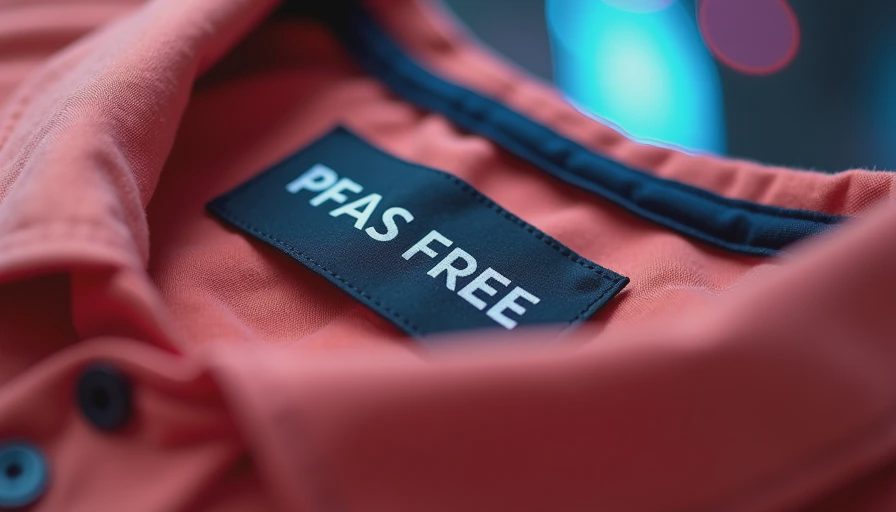
The easiest way is to check the fabric content. PFAS are often added to synthetic fabrics like polyester, nylon, and acrylic for water or stain resistance. Look for garments labeled “PFAS-free,” “PFC-free,” or “fluorine-free.” Some brands voluntarily disclose their chemical use. Also avoid terms like “durable water repellent (DWR)” unless it specifically says it’s PFAS-free. Natural fibers like organic cotton, linen, hemp, and wool rarely contain PFAS, though some brands apply finishes. When in doubt, reach out to customer service. I’ve done this a few times, and honestly, most companies are happy to answer. I’ve started a spreadsheet of brands that have confirmed PFAS-free lines. It’s not a big list yet, but it’s growing. Some brands I trust include Patagonia (their new line), Prana, and Pact. And for rain gear, check out companies like Rains or Helly Hansen that are moving toward PFAS-free finishes. Many pfas free clothing brands are smaller, more transparent companies that prioritize sustainability over marketing hype.

My Favorite PFAS-Free Brands That Won’t Break the Bank
You don’t have to spend a fortune to avoid PFAS. Some affordable pfas free clothing brands include Pact, which uses organic cotton for basics, and tentree, which offers sustainable outerwear and apparel without harmful chemicals. For activewear, Girlfriend Collective makes leggings and sports bras from recycled materials and is PFAS-free. Another brand I love is Prana, which has a wide range of clothing for hiking and everyday wear, all free of PFAS. And for rainwear, Patagonia has transitioned to PFAS-free DWR on many of their jackets, though some older styles may still have it—so check the label. I also recently discovered Outerknown, which makes stylish basics from organic cotton and is transparent about its chemical use. They’re a bit pricier but worth it for key pieces. Thrifting is another way to find safer pieces without the price tag. I’ve scored some great secondhand finds that are actually free of chemical finishes. For example, a vintage wool sweater from Goodwill is naturally water-resistant without any added chemicals.
How to Avoid PFAS When Thrifting
Thrifting is hit or miss, but it’s one of the most affordable ways to build a wardrobe without supporting new production that often uses PFAS. When browsing, focus on natural fibers. Wool, cotton, and linen usually don’t have PFAS finishes unless they’ve been treated. If something feels very water-resistant or has a waxy coating, skip it unless the label says it’s PFAS-free. Also avoid items with “stain resistant” tags. Many pfas free clothing brands aren’t common in thrift stores, but you can find great pieces from older collections of brands like Patagonia or The North Face that were made before PFAS became standard. I always check the care label: if it says “do not dry clean” or “avoid heat,” that might be a red flag for chemical finishes. And when in doubt, wash the item thoroughly—some coatings can be removed with multiple washes. I recently thrifted a Patagonia fleece that had no chemical treatments and it’s become a staple in my wardrobe.
Final Thoughts on PFAS-Free Shopping
Switching to pfas free clothing brands doesn’t happen overnight. Start with one category—like rain jackets or activewear—and replace items as needed. You can still look stylish and stay within budget. I’m not perfect; I still have some synthetic pieces in my closet. But knowing what to look for helps me make better choices. And every time I choose a safer option, I feel a little better about what I’m wearing and what I’m leaving behind for the planet. If you’re curious, start by checking the labels on your outdoor gear. You might be surprised what you find. And don’t forget to wash new clothes before wearing—some manufacturers use PFAS in shipping to prevent stains, but it can wash out over time. Small steps add up.




No comments yet — grab the first one.