The Best Natural Moisturizing Balm for Simple, Sustainable Skincare
I used to think I needed a big jar of cream to keep my face from feeling tight in the winter. Then I tried a natural moisturizing balm, and everything changed. A balm is basically a solid oil blend — no water, no preservatives, no complicated ingredient list. Just plants, usually. I started using one last year, and it simplified my morning routine more than I expected. I keep a small tin in my bag, and it works as a lip balm, cuticle cream, and emergency cheek highlighter. That multipurpose side is exactly why a natural moisturizing balm became a staple for me.
But not all balms are created equal. Some are too greasy, some don’t absorb, and some come in plastic packaging that bugs me. Over the past few months, I tested a handful of budget-friendly options to find a natural moisturizing balm that actually works without breaking the bank or the environment.
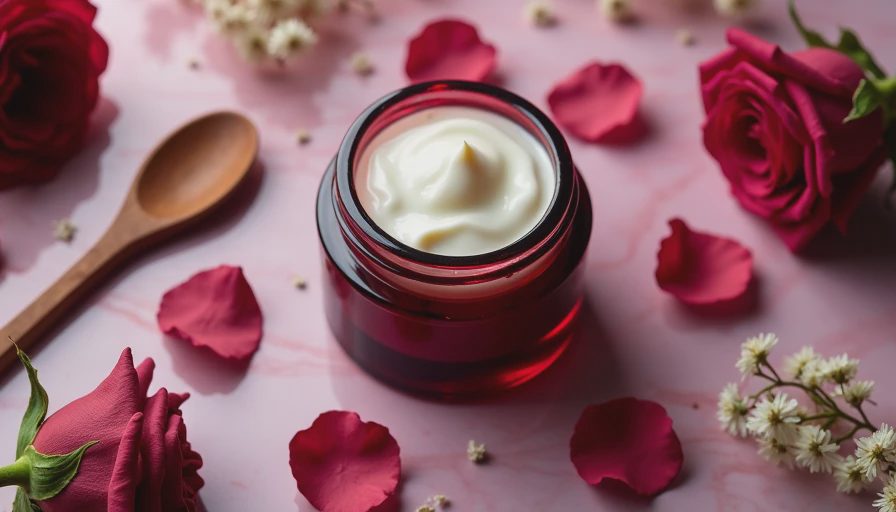
What Makes a Natural Moisturizing Balm Different?
First, a quick reality check: most mainstream moisturizers are mostly water and emulsifiers. They feel light but often require preservatives and stabilizers. A natural moisturizing balm skips water entirely. It’s a simple blend of butters and oils that melt on contact with your skin. That means no bacteria growth, no need for preservatives, and usually fewer ingredients overall. For someone like me who checks labels before buying, that’s a huge win.
The texture can take some getting used to because it’s thicker than lotion. But once you figure out how much to use — a pea size for your whole face — it’s surprisingly comfortable. I also appreciate that most natural moisturizing balms come in metal tins or glass jars, which are easier to recycle or refill.
How to Choose a Natural Moisturizing Balm for Your Skin
Not every balm will love your skin type. If you’re acne-prone, look for options with non-comedogenic oils like jojoba seed oil or squalane. Avoid coconut oil if your face tends to break out — it works great for the body, but it clogged my pores. For dry skin, shea butter and cocoa butter are your friends. I have combination skin, so I aim for a balm that balances moisture without leaving me shiny.
Ingredient quality matters. Skip anything with fragrance oils or essential oils if you have sensitive skin — they can sting. A true natural moisturizing balm will list the base butters and oils first, maybe a tocopherol (vitamin E) as a stabilizer, and that’s it. If you see a long list of extracts you can’t pronounce, it’s probably not as natural as it claims.
How I Use My Natural Moisturizing Balm
I keep my routine dead simple. After washing my face, I spritz a little rose water toner (the Thayers one, which I refill from a larger bottle) and then warm a tiny amount of balm between my fingers before pressing it into my skin. It locks in moisture without feeling heavy. In the winter, I apply a slightly thicker layer at night and wake up with soft skin.
The best part is how many jobs my natural moisturizing balm does. I use it on my lips, elbows, and the cuticles around my nails. It even tames flyaway hairs on dry days. I travel with one tin and leave my other products at home. It’s the kind of multipurpose product that fits the “buy less, use more” mindset I try to live by.

A Few Natural Moisturizing Balms Worth Trying
I tested a few and kept two on my shelf. The Badger Balm in rose and tea tree is my go-to for daytime. It smells light, absorbs quickly, and costs around $10 for a tin that lasts months. Badger uses organic ingredients and minimal packaging, which aligns with my values. For heavy-duty moisture, I reach for the Dr. Bronner’s organic lip balm, but I actually use it all over — it’s just beeswax and oils, and it’s under $5. I also liked the Earth Mama belly balm for its simple shea butter base, though it’s marketed differently.
If you want to spend a little more, the Wild Carrot Herbals balm is a splurge at $18, but the formula is lovely and lasts forever. The key is to start with a small tin from a brand you trust. You don’t need a $50 jar to get great results.
Why a Natural Moisturizing Balm Fits a Sustainable Wardrobe
I think about sustainability beyond clothes. My skincare habits affect how much waste I create. Switching from lotion bottles to a single natural moisturizing balm cut down my bathroom garbage significantly. The tin can be reused for storing bobby pins or small sewing needles, and once the balm is gone, it goes into the recycling bin without guilt. Plus, because it’s so concentrated, I buy it less often. Last year, I finished two tins total — that’s better than the six plastic bottles I used to go through.
If you’re looking for a way to simplify your routine and reduce waste, a natural moisturizing balm is an easy swap. It’s not a miracle product, but it does the job without the clutter. Try one for a month and see if you miss your old moisturizer. I bet you won’t.



No comments yet — grab the first one.