
When you step into a crowded thrift store on a quick twenty-minute lunch break, your eyes are naturally trained to hunt for recognizable corporate brand logos. You flip through the racks hoping to spot a trendy mall brand tag or, if you're incredibly lucky, a high-end contemporary designer label. We’ve been conditioned by modern retail marketing to believe that a prestigious brand name is an automatic guarantee of luxury, style, and long-term quality.
Over the last two decades, the explosion of fast fashion has forced almost every major retail brand to aggressively cut production costs. To maintain their profit margins, they quietly swapped out durable, natural structural fibers for cheap, oil-based synthetic plastics. Today, a $150 blouse from a high-end mall boutique is frequently made of the exact same sweat-trapping, flimsy 100% polyester fabric as a $10 shirt from an ultra-fast-fashion website. It will pill, lose its shape, warp at the seams, and retain permanent odors after just a few runs through a standard washing machine.
If you are committed to building an affordable sustainable fashion lifestyle, you must stop shopping by brand names. You need to become a material realist.
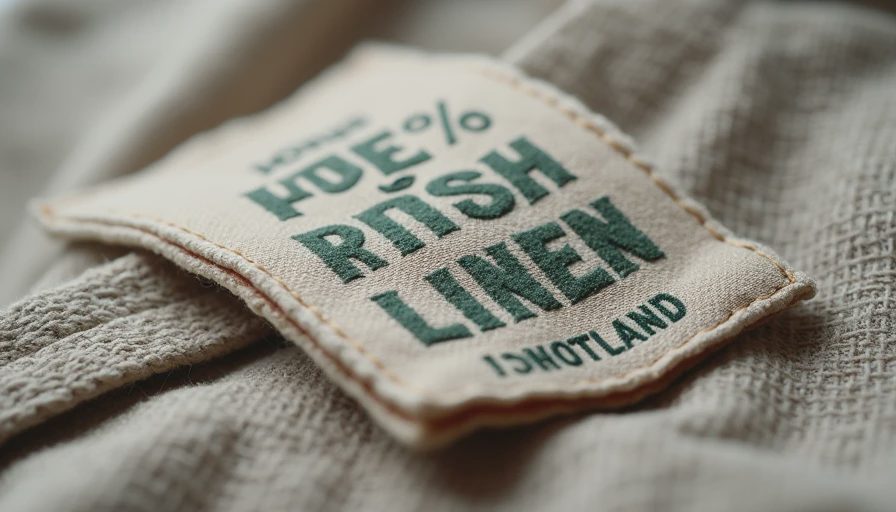
The Natural Material Hall of Fame
To build a truly resilient capsule wardrobe template, train your eyes to scan for these four premier textile labels, which consistently offer the highest standard of structural durability and personal comfort:
          [The Resilient Textile Selection Framework]
                              |
     |------------------------|------------------------|
     |                                                 |
[1. Pure Animal Proteins]                [2. High-Grade Plant Cellulose]
- 100% Virgin Wool / Tweed               - 100% Pure Flax Linen
- 100% Pure Silk (Mulberry/Raw)          - 100% Long-Staple Pima Cotton
1. The Wool Family: 100% Virgin Wool, Merino, or Cashmere
What to look for on the tag: "100% Virgin Wool," "Pure New Wool," "100% Merino," or "100% Cashmere." Bonus points if the label features the classic vintage "Woolmark" geometric coiled loop logo.
Why it lasts forever: Unlike synthetic acrylic—which tries to mimic the look of wool but turns into a fuzzy, pilling, static-heavy mess after three washes—genuine animal wool is a biological masterpiece. The individual fibers possess a natural crimp and elasticity, allowing a vintage wool sweater or structured tweed blazer to snap back into its original shape effortlessly after being worn. Wool is inherently thermoregulating, completely breathable, and naturally repels dirt and liquids. A high-quality wool blazer resists wrinkles and can easily go months without needing a dry clean; a simple hot steam press will refresh the fibers instantly.
2. The Silk Family: 100% Pure Silk or Raw Silk
What to look for on the tag: "100% Silk," "Pure Silk," or "Raw Silk."
Why it lasts forever: Silk is one of the strongest natural protein structures on earth. While cheap polyester satin feels slippery, traps heat, and creates a sweaty environment against your skin during a long office shift, pure silk adapts beautifully to your body temperature. It drapes with an elegant, liquid-like weight that synthetics cannot replicate. If you find a vintage silk blouse with a minor split seam, do not leave it behind; as we learned in our YouTube mending fixes tutorial, a quick five-minute hand-stitched ladder stitch will restore it to absolute perfection.
3. The Flax Family: 100% Pure Linen or Irish Linen
What to look for on the tag: "100% Linen," "Pure Linen," or "100% Irish Linen."
Why it lasts forever: Linen is woven from the cellulose fibers of the flax plant, making it significantly stronger and more durable than standard cotton. The magic of a pure linen shirt is that it actively improves with age. Brand-new linen can sometimes feel slightly stiff or crisp, but every single time you launder it, the water softens the flax molecular bonds. Over years of wear, it transforms into an incredibly soft, breathable, and fluid summer staple that outlasts any modern synthetic blend.
4. The High-Performance Cellulosics: Tencel Lyocell
What to look for on the tag: "100% Tencel" or "Lyocell."
Why it lasts forever: If you love the silky, fluid drape of a rayon or viscose blouse but hate how easily those fabrics shrink and warp in the wash, Tencel is your holy grail. Tencel is a branded form of lyocell, made from sustainably harvested eucalyptus wood pulp through a closed-loop chemical process. It is highly resistant to wrinkles, incredibly soft against sensitive skin, manages moisture beautifully during a fast-paced workday, and holds vibrant dyes without fading into a dull, worn-out gray.

The Textile Quality Audit Sheet
To protect your wallet and ensure you are buying high-utility assets rather than landfill-bound clutter on your next thrift run, keep this quick fiber matrix saved to your phone:
Premium Wardrobe Builders vs. Synthetic Fillers
Elite Fiber Labels (Prioritize These) | Structural Performance Benefits | Defective Filler Labels (Avoid These) | The Long-Term Failure Risk |
100% Virgin Wool | Natural elasticity, odor-resistant, holds sharp tailored creases forever. | 100% Acrylic | Pills aggressively after two washes, creates intense static, traps body odor. |
100% Pure Flax Linen | Tensile strength increases when wet, softens with age, ultimate breathability. | 100% Polyester / Nylon | Non-breathable plastic weave, prone to melting under an iron, locks in bacteria permanently. |
100% Mulberry Silk | Luxury liquid drape, adapts to body temperature, high tensile survival rate. | 100% Rayon / Viscose | Loses up to 50% of its structural strength when wet, prone to severe shrinkage. |
100% Tencel Lyocell | Exceptionally durable, shrink-resistant, silky texture with structural weight. | Generic "Synthetic Blend" | Unpredictable shrinkage rates, impossible to mend cleanly, fibers split quickly. |
True Abundance Is Material Intelligence
The modern fashion cycle relies entirely on your consumer ignorance. They want you to shop mindlessly, driven by superficial logo hype and fleeting internet aesthetics, so that you keep purchasing low-quality, disposable garments that require constant replacement.
But true wardrobe mastery—and the guiding principle behind Shelf & Seam—is about developing an analytical, material-first intelligence.
When you learn to look past the beautiful storefront staging, ignore the prestigious brand prestige, and judge a garment strictly by the chemical reality of its interior care label, you break completely free from the fast-fashion loop. You realize that a $6 vintage wool sweater from Goodwill is structurally superior to a $200 synthetic luxury knit from a department store.
You save your hard-earned receptionist savings, honor the planet by keeping authentic circular textiles in continuous motion, and build a beautiful, polished style uniform that projects absolute confidence.
Stop reading the front of the garment; flip the tag, read the chemistry, and let pure quality anchor your daily routine.




No comments yet — grab the first one.