
If you walk into the outerwear section of any secondhand shop, you are bound to find rows upon rows of vintage menswear blazers from the 1980s and 1990s. On the hanger, they look incredibly promising—rich textures, heavy fabrics, and classic patterns like herringbone, houndstooth, and Prince of Wales plaid.
We’ve all seen the styling videos online where a blogger throws an oversized blazer over a simple t-shirt and jeans to instantly create a chic, effortless everyday outfit. But there is a very fine line between looking "fashionably oversized" and looking like you are completely drowning in a giant fabric box.
When you are living on a receptionist's budget, buying an item simply because it has a vintage aesthetic isn't enough. If a blazer requires complex, advanced alterations to actually fit your frame, the tailoring process can quickly turn into a massive headache—or a total financial mistake.
The Dealbreakers vs. The Easy Fixes
When evaluating a tailored jacket, you have to separate the garment into two categories: the structural skeleton (which cannot be easily altered without completely deconstructing the piece) and the surface adjustments (which can be fixed in an afternoon on a basic sewing machine).
          [Thrifted Blazer Alteration Feasibility]
                             |
         |-----------------------------------|
         |                                   |
   [The Dealbreakers]                  [The Easy Fixes]
   - Misaligned Shoulders              - Sleeves Too Long
   - Blown Out Armpit Linings          - Missing Buttons
   - Fused Glued Interfacing           - Boxy Torso Side Seams
If the structural skeleton of the jacket is flawed or fundamentally misaligned with your body, leave it on the rack—no matter how beautiful the pattern is.
The 4-Step Structural Audit Checklist
Here is the exact step-by-step physical inspection I run through every single time I find a vintage blazer:
1. The Shoulder Alignment Test (The Ultimate Dealbreaker)
Put the blazer on, stand in front of the fitting room mirror, and look directly at your shoulder profile. The shoulder seam of the jacket should ideally sit right where your natural shoulder bone ends.
Why it matters: If the shoulder seam extends more than an inch past your natural shoulder, creating a droopy, sagging cliff look, put it back. Re-cutting and shrinking the shoulders of a tailored blazer requires removing the entire sleeve cap, re-drafting the armscye curve, and resetting the shoulder pads. It is an incredibly advanced, tedious tailoring task that almost never turns out perfectly for beginners.
2. The Interfacing Pinch Test
Reach down to the lower front panels of the blazer, grab the outer fabric between your thumb and forefinger, and gently pull it away from the inner lining layer. Slide your fingers across the fabric.
Why it matters: Older high-quality blazers use a floating canvas piece inside to give the chest structure. Cheaper modern blazers use a synthetic glue-on material called fused interfacing. Over time and multiple wash cycles, this glue degrades, causing the front chest fabric to warp, bubble, and pucker permanently. If you feel a weird, stiff, crinkly bubbling sensation between the layers, the jacket is ruined and cannot be saved by pressing or sewing.
3. The Armpit Lining Scan
Flip the blazer completely inside out and peer directly into the interior armpit hollows. Check for massive tears in the silk or rayon lining, deep sweat discoloration, or friction fraying.
Why it matters: Fixing a split seam on a back panel takes two minutes. Replacing or patching a shredded armpit lining is incredibly complex because it is a high-stress, curved zone. Furthermore, historical sweat stains in vintage linings lock in deep bacteria and unpleasant odors that are practically impossible to remove, even with professional dry cleaning.
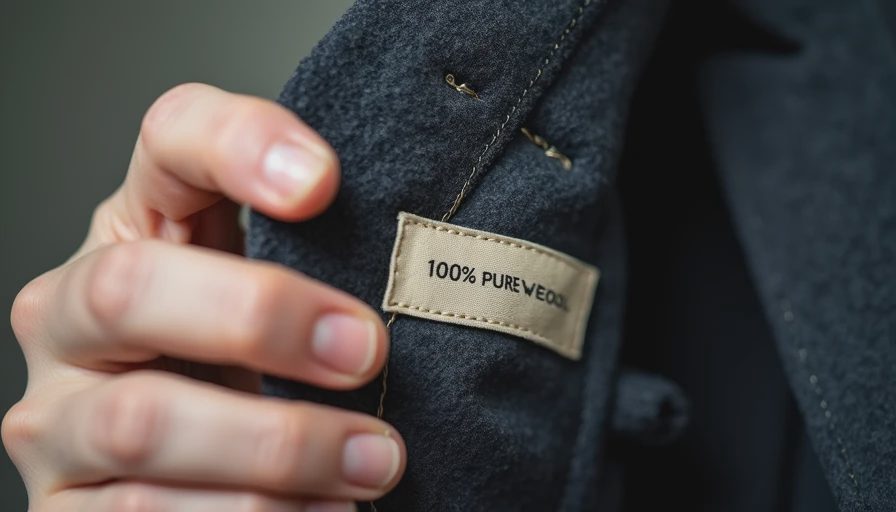
4. The Fabric Fiber Check
Locate the inner care label, usually hidden deep inside the interior breast pocket or along the lower left side seam. Read the exact material percentages.
Why it matters: Always look for 100% natural fibers: virgin wool, tweed, cashmere, linen, or heavy structured cotton. Natural fibers have an inherent memory—they respond beautifully to a hot steam iron, allowing you to mold, shape, and ease fullness into altered seams. Synthetic polyester or acrylic blazers resist heat, slip under the sewing needle, pill easily, and look incredibly cheap under natural daylight.
The Tailoring Complexity Matrix
To keep your projects realistic and budget-friendly, use this matrix to evaluate the time and skill investment required for standard blazer adjustments before taking your item to the sewing table:
Alteration Feasibility and Time Investment Reference
Alteration Objective | Skill Level Required | Tooling Needed | Time Estimate | Practical Advice |
Replacing Missing/Broken Buttons | Absolute Beginner | Hand sewing needle, heavy thread | 10 Minutes | An incredible way to elevate a blazer. Swap out cheap plastic buttons for vintage horn or brass ones. |
Shortening Straight Sleeves | Beginner | Sewing machine, fabric shears, pins | 45 Minutes | Look at the cuff first. If the blazer has functional buttonholes (surgeon's cuffs), you cannot shorten it easily from the bottom. |
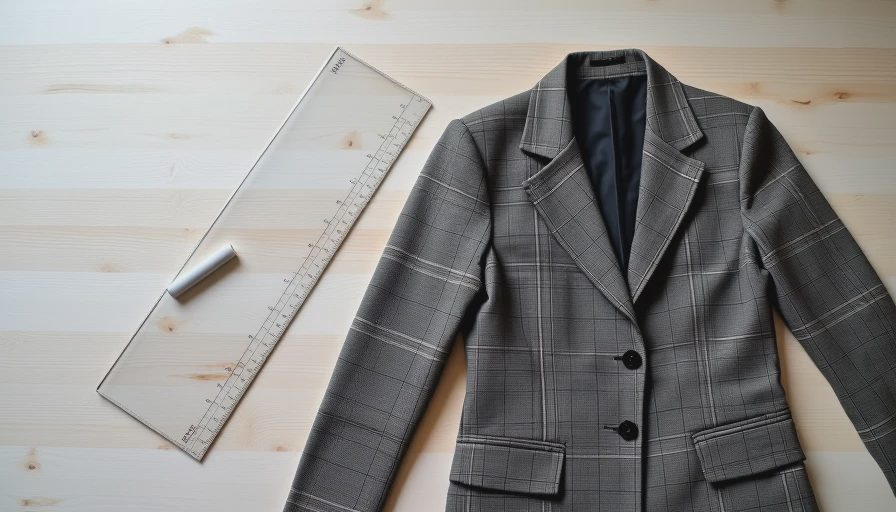
Taking in the Side Seams (Slimming Boxy Torso) | Intermediate | Tailor's chalk, acrylic ruler, iron | 1 Hour | Turn inside out, pin the excess along the two back panels, stitch a clean parallel line, and press the seam flat. |
Shortening the Total Jacket Length | Advanced | Grid ruler, rotary cutter, blind hem stitch | 2+ Hours | Very risky. Shortening the hem shifts the visual proportions of the front pockets, making the jacket look comically unbalanced. |
Trust the Process, Respect the Geometry
The art of sustainable styling isn't about forcing every single secondhand item into submission. It is about understanding the geometry of garment construction and knowing your own limits as a creator.
When you learn to look past the initial aesthetic of a vintage pattern and analyze the underlying architecture of a garment, you save yourself from wasting hard-earned money and endless hours on unfixable projects. A high-quality wool blazer that fits your shoulders perfectly is a canvas of absolute potential. With just a few simple, intentional adjustments to the sleeve length or side seams, you can create a gorgeous, custom-tailored investment piece that anchors your wardrobe for decades to come.





No comments yet — grab the first one.