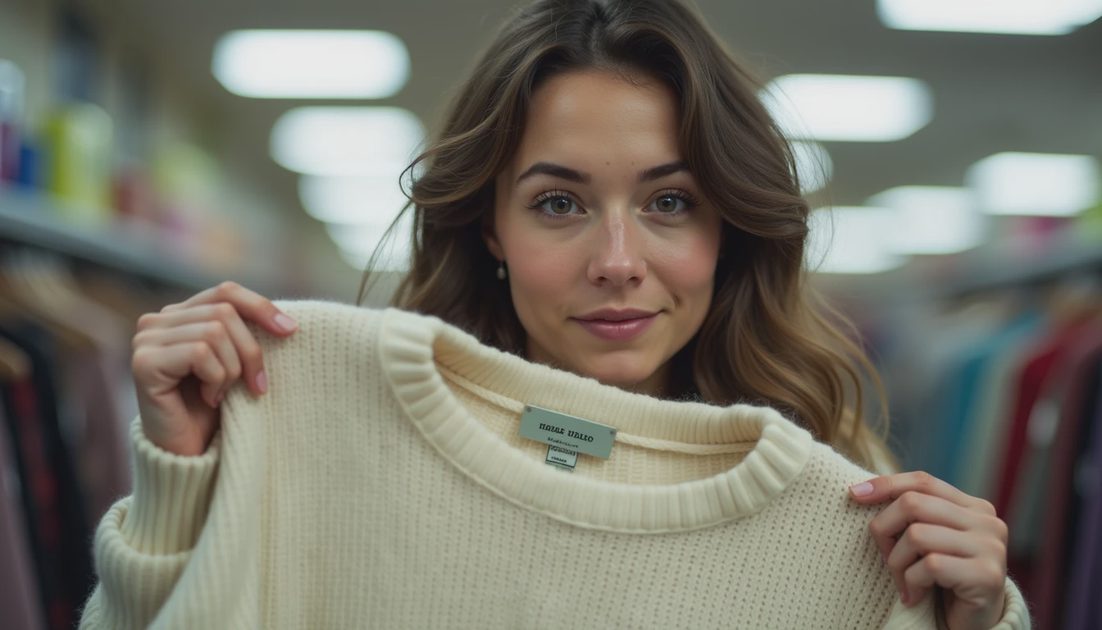
The Thrift Store Trap: Cheap vs. Value
We have all been there. You are walking through the rows at Goodwill, your cart is half-full, and you spot a trendy trench coat or a chunky knit sweater with a tag that says $6.99. Your brain immediately short-circuits. You think, “For seven bucks, even if I only wear it twice, it’s a massive steal.” That thought right there is the ultimate thrift store trap.
When I first started trying to build an affordable sustainable wardrobe on my salary, I fell into this trap constantly. I would bring home massive hauls of cheap secondhand clothes, only to realize after one wash that the fabric felt scratchy, the seams were warped, or a hidden stain made it completely unwearable. True sustainability—and true budget shopping—isn't about buying a mountain of low-cost items just because they are cheap. It’s about finding pieces that actually last, fit your life, and make you feel incredible.
You don’t need a perfect closet. You need a closet you’ll actually wear. To make sure you bring home pieces that actually deserve a spot on your hanger, I have put together my personal, non-negotiable checklist. These are the seven things I examine on every single garment before I even think about walking up to the cash register.
The 7-Point Quality Check Blueprint
Before spending your hard-earned money, take two minutes at the thrift store to step into the light and run through these seven critical checkpoints.
①[The Tag Check] → Look for natural fibers (wool, cotton, linen, silk)
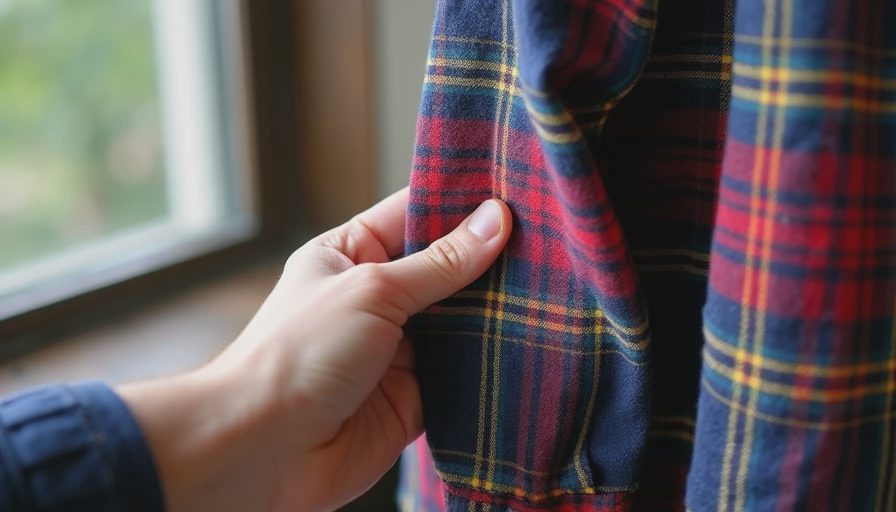
②[The Seam Stretch] → Pull gently at seams to verify structural integrity
③[The Light Test] → Hold fabric up to check density and hidden holes
④[Hardware & Trim] → Test zippers, check buttons, inspect elastic
⑤[High-Friction Zones] → Scan underarms, inner thighs, and collars for wear
⑥[The Sniff Test] → Detect deep odors (must, mildew, synthetic perfumes)
⑦[The Reality Audit] → Evaluate fit, lifestyle match, and ease of care
1. The Fiber Content Label (The Fabric Tag Tells the Truth)
The very first thing I do before falling in love with a pattern or a silhouette is flip the garment inside out and hunt for the care tag. The fabric tag always tells the truth. In a world dominated by cheap fast-fashion castoffs, you want to train your eyes to skip past the endless racks of 100% polyester and acrylic, and actively look for natural fibers like cotton, linen, silk, wool, and cashmere.
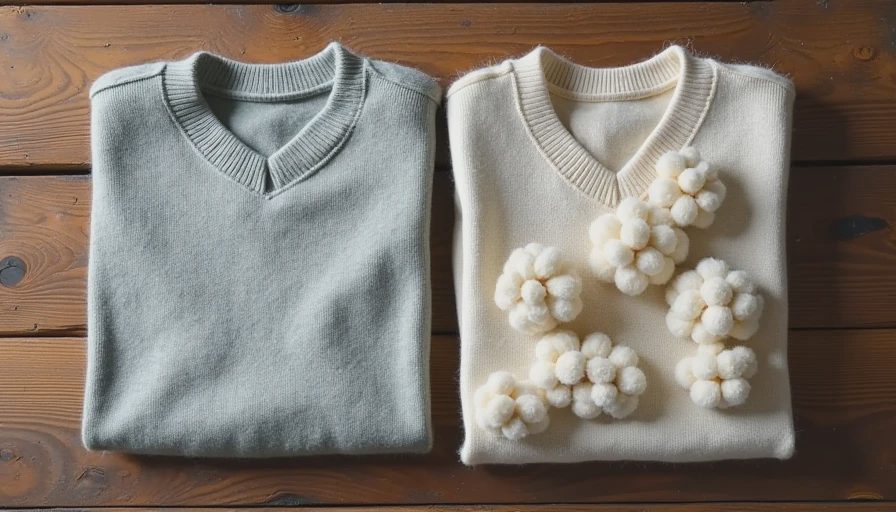
Natural fibers breathe better, regulate heat more efficiently, retain their shape over time, and do not hold onto body odors the way synthetic polyester does. If I find a plain, oversized beige cardigan that is 100% merino wool or cotton, that is an immediate win. If it looks identical but the tag reads "100% acrylic," I almost always put it right back on the rack. Acrylic will pill, lose its shape in the wash, and trap sweat within a month.
2. The Seam Pull Test
Do not trust a garment just because it looks fine on a plastic hanger. Pick up the item and gently pull the fabric on either side of a major seam—like the side of a torso or the inner leg.
What you want to see: The threads remain tight, uniform, and completely hidden, holding the fabric firmly together.
What you want to avoid: The seam pulling apart easily to reveal gaps, visible loose threads, or a loose chain-stitch that looks ready to unravel. High-quality older garments often feature French seams or heavy-duty serged edges that keep the raw fabric edges completely secure.
3. The Light and Density Test
Hold the garment up toward the thrift store's overhead lights or a nearby window. This is a brilliant way to instantly see how dense the weave actually is. Cheap t-shirts and sweaters are often knitted with a very loose weave to save on material costs, which means they will warp, stretch out, and develop micro-holes after a few cycles through your laundry machine.
Furthermore, holding fabric to the light exposes hidden snags, thin spots from moths (especially in wool sections), and tiny pinholes along the waistband or hemline that are practically invisible when the garment is flat against your body.
4. Hardware Integrity (Zippers, Buttons, and Elastic)
Replacing a button is an incredibly easy fix that we will cover in future articles, but a broken zipper or shot elastic can turn a cheap find into an expensive headache.
Zip and unzip the garment entirely at least three times. Look closely at the zipper teeth—metal zippers (like YKK) are far superior and more durable than flimsy plastic ones. Check the waistbands or cuffs on vintage trousers and skirts. If you stretch the elastic and hear a crunchy, crackling sound, or if the elastic fails to snap back instantly into shape, the rubber inside has dry-rotted. Unless you are planning to completely open up the casing and thread a brand-new elastic band through it, leave it behind.
5. High-Friction Zone Scans
Before heading to checkout, perform a dedicated scan of what I call the "high-friction zones." These are the specific areas most prone to irreversible wear, stains, and damage from the previous owner:
Underarms: Check for permanent sweat discoloration, deodorant buildup, and fabric thinning.
Inner Thighs & Crotch Seams: On trousers and jeans, check for severe pilling or thinning caused by friction while walking.
Collars and Cuffs: Look along the inside neckline of blouses and jackets for makeup stains or ring-around-the-collar discoloration that may be permanently baked into the fibers.
6. The Sniff Test
It feels slightly embarrassing to do in public, but you need to smell the fabric. Mild mildew smells, intense mothball scents, or deeply embedded, cloying synthetic perfume odors can be incredibly stubborn to remove, even with vinegar soaks and outdoor line-drying. If a vintage jacket smells like it has spent forty years in a damp, unventilated basement, ask yourself honestly if you have the time, energy, and outdoor space required to safely deodorize it.
7. The Care Routine and Lifestyle Reality Audit
Finally, read the washing instructions. If a garment is labeled "Dry Clean Only," be entirely honest with yourself about your budget and lifestyle. As a dental clinic receptionist, my clothing needs to be practical, comfortable, and easy to wash. I do not have the budget or the extra time to drop off my work clothes at a professional cleaners every single week.
If it is a high-quality wool sweater that can be easily hand-washed in my bathroom sink once a season, I will absolutely buy it. But if it is a delicate, easily stained silk blouse that demands specialized commercial care after every single wear, it fails my reality audit.
Quick Reference: Natural vs. Synthetic Labels
To make your next trip to Goodwill easier, keep this quick summary of common fabric labels in mind while browsing the aisles:
Fabric Type | Common Label Names | Pros | Cons | Verdict |
Natural Fibers | Cotton, Wool, Linen, Silk, Cashmere, Hemp | Breathable, highly durable, classic drape, ages beautifully. | Can shrink if washed improperly; prone to wrinkles. | Buy (If it passes the quality checks). |
Semi-Synthetics | Viscose, Rayon, Tencel, Modal, Lyocell | Soft, beautiful fluid drape, comfortable against skin. | Can weaken when wet; prone to shrinking or wrinkling. | Buy with Caution (Check fabric thickness). |
Pure Synthetics | Polyester, Acrylic, Nylon, Spandex | Cheap, highly wrinkle-resistant, pulls moisture away. | Traps heat and odors, pills easily, environment-damaging. | Avoid for Basics (Unless buying performance outerwear). |
Thrifting better is a skill that takes a little practice, but once you start paying attention to the tags and the construction, you will stop spending money on fast-fashion filler and start building a wardrobe that actually lasts.




No comments yet — grab the first one.