
You just scored an amazing find at the thrift store. But before you wear it, you need to **wash new thrift clothes** properly. That vintage sweater might look perfect, but it could harbor dust, bacteria, or leftover smells from its previous owner. Don't worry—cleaning secondhand items doesn't have to be complicated. Here's how to do it without damaging the fabric.
Why Washing Thrifted Clothes Matters
Thrift stores are treasure troves, but they're also full of unknowns. Clothes have been touched by dozens of hands, hung in dusty corners, and maybe even stored in attics or basements. **Wash new thrift clothes** to remove allergens like dust mites, pet dander, and pollen. Plus, you can't know what detergents or perfumes the previous owner used. A good wash resets the garment and makes it truly yours.
I once bought a wool blazer that smelled like mothballs—a vinegar soak saved it. That smell would have lingered if I hadn't washed it first. Even items that look clean can harbor bacteria or mold spores. Spending a little time on laundry now saves you from irritation later.
Step 1: Check the Care Label
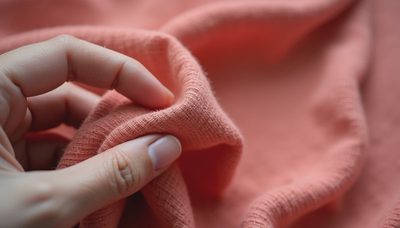
Before anything else, read the tag. Fabric type determines water temperature, washing method, and drying instructions. Natural fibers like cotton and linen can usually handle warm or hot water, but wool and silk need cold water and gentle handling. Synthetic blends like polyester are often more forgiving.
If the label says “dry clean only,” don’t ignore it. You can try hand washing with a gentle detergent if the fabric is sturdy, but for delicate items like silk or structured blazers, stick to dry cleaning. Taking five seconds to check the label saves you from shrinking your favorite thrifted top.
Step 2: Pre-Treat Stains and Odors
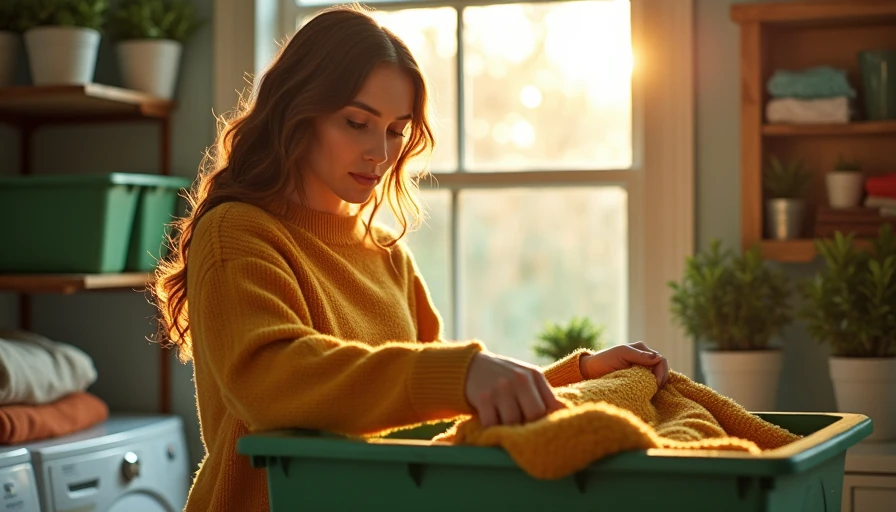
Thrifted clothes often have mystery stains or musty smells. Before tossing them in the machine, pre-treat any visible spots with a stain remover or a bit of dish soap. For odors, I swear by a white vinegar soak—add half a cup of vinegar to a basin of cold water and let the garment soak for 30 minutes. The vinegar smell disappears during the wash, but it lifts even stubborn odors like smoke or mothballs.
If the item smells strongly of perfume or fabric softener, you might need a second soak. I’ve used baking soda as well—dissolve a quarter cup in water and soak for an hour before washing. This step is especially important when you wash new thrift clothes that have been sitting in closed bags.
Step 3: Choose the Right Wash Cycle
Now it’s time to actually **wash new thrift clothes**. Use a gentle or delicate cycle for most secondhand finds, especially if the fabric isn’t brand-new. Hot water kills germs and dust mites, but it can also fade colors and shrink fibers. I usually wash cotton and linen in warm water, and synthetics, wools, and silks in cold.
Choose a mild, fragrance-free detergent—harsh chemicals can damage older fabrics. If you’re worried about dye running, wash dark colors separately or with a color-catching sheet. Delicate items like lace or woven knits should go in a mesh laundry bag. And don’t overload the machine; leave room for water and detergent to circulate.
Step 4: Drying and Finishing
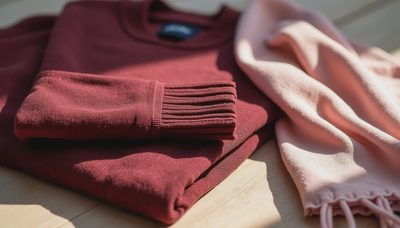
Resist the urge to throw everything in the dryer. High heat shrinks many natural fibers and can warp knits. Instead, air-dry most thrifted clothes. Lay sweaters flat on a towel to maintain their shape, and hang shirts and pants on a line or drying rack.
If you must use a dryer, choose a low heat setting and remove items while they’re still slightly damp. Then I give my thrifted pieces a quick press with an iron (check the label for the correct setting) to restore crispness. Steaming is even better for delicate items—it kills any remaining bacteria and freshens fabric without direct contact.

When Not to Wash
Believe it or not, not every thrifted item needs a full wash. Some things are better off with a simple airing or spot cleaning. For example, structured coats, vintage denim, and pieces with delicate beading or embellishments can be damaged by machine washing. If a piece looks clean and doesn’t smell, you can often get away with hanging it in fresh air or using a fabric freshener spray (like vodka or a homemade solution of equal parts water and rubbing alcohol).
I once bought a leather jacket that smelled fine—I just wiped it down with a damp cloth and conditioner instead of washing it. Trust your nose and eyes. Overwashing can accelerate wear, especially on older items.
Final Thoughts
Learning to **wash new thrift clothes** correctly is a small skill that makes a big difference. It helps you preserve your finds, avoid allergic reactions, and feel confident wearing secondhand. Start with the label, pre-treat, choose gentle settings, and air-dry when possible. Your closet—and your wallet—will thank you.
Remember, you don’t need a perfect closet. You need a closet you’ll actually wear. And washing thrifted clothes right is the first step to loving them for years.

No comments yet — grab the first one.