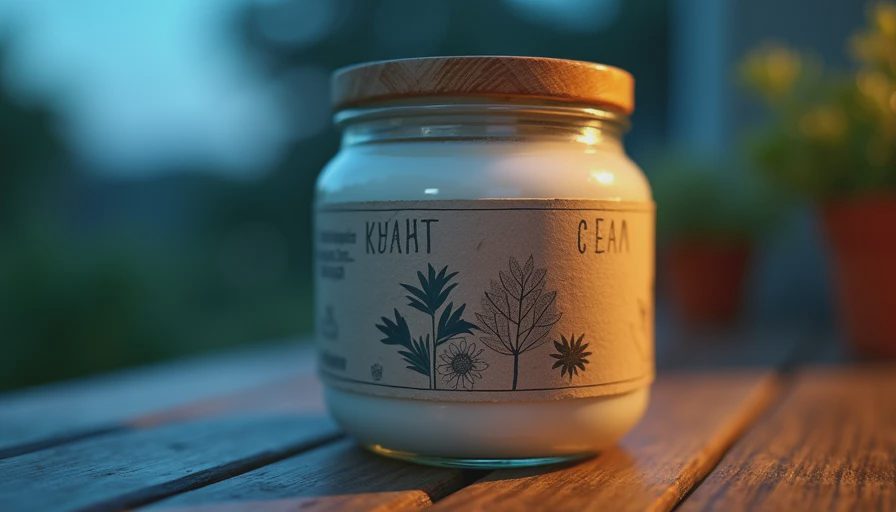
If you've been trying to cut down on plastic waste, you've probably noticed the rise of zero waste skincare packaging. It sounds great in theory—less trash, better for the planet—but in practice, it can feel confusing and expensive. I've been there. As someone who checks ingredient lists and saves every empty jar to reuse, I've learned that not all eco-friendly claims are created equal. So let's break down what zero waste skincare packaging really means, what to look for, and how to make swaps that actually fit your budget.
What Does Zero Waste Skincare Packaging Actually Mean?
Zero waste skincare packaging isn't a single thing. It includes everything from glass jars and metal tins to compostable containers and solid bars that don't need a container at all. The goal is to reduce the amount of material that ends up in a landfill. For a product to be truly zero waste, the packaging should be reusable, recyclable, or compostable—and ideally, you'd be able to refill it. But here's the thing: even packaging that sounds good, like "biodegradable" plastic, might only break down in industrial facilities, not in your backyard. So understanding the categories helps you make better choices. For example, a glass jar can be reused for years, while a paperboard tube might only last one cycle. I've started favoring brands that use aluminum or glass because they're infinitely recyclable. And when I see a product claiming zero waste, I ask: what happens after I finish it? If the answer is vague, I move on.
How to Spot Real Eco-Friendly Packaging (and Avoid Greenwashing)
Not every brand with a green leaf on the label is actually sustainable. Greenwashing is everywhere, especially in the beauty industry. To separate fact from fiction, look for specific certifications like FSC (Forest Stewardship Council) for paper packaging or the word "home compostable" rather than just "compostable." Also, check if the brand offers refill pouches or bulk options. Many companies now sell refillable glass bottles with lightweight plastic refills—that's a step forward because you're using less material per use. Be wary of brands that use the term "zero waste" loosely without explaining how their packaging is disposed of. If a product comes in a plastic tube that claims to be "eco-friendly" but isn't clearly labeled, it's probably not. When evaluating zero waste skincare packaging, I always read the fine print. A brand that's serious about sustainability will tell you exactly how to recycle or compost their packaging. One of my favorite tricks is to search for the product on INCIdecoder—sometimes user reviews mention packaging quality or refill options.
Affordable Zero Waste Skincare Brands to Try
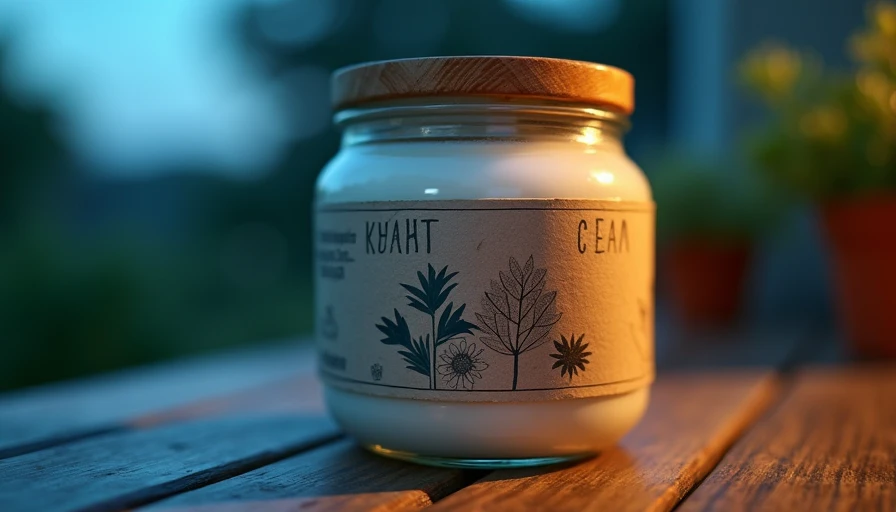
You don't need to spend a fortune to find good zero waste skincare packaging. Some of my favorite budget-friendly options include **Ethique** (solid shampoo and conditioner bars in compostable wrappers, around $12 each), **Meow Meow Tweet** (deodorant in cardboard tubes, $14), and **Plaine Products** (aluminum bottles that you return for a refill, starting at $18). For serums and oils, **Herbivore Botanicals** uses glass bottles with minimal labeling, and their prices range from $20 to $50. And don't forget the drugstore—**Burt's Bees** has lip balms in cardboard tubes for $3 each. These brands offer genuine zero waste skincare packaging without the luxury markup. I've personally tried Ethique's face wash bar and was impressed—it lasted three months and didn't dry out my skin. The key is to start with one product and see how it fits your routine. Over time, you'll save money because you're not buying plastic bottles again and again.
DIY and Refill Options That Save Money and Waste
If you're really trying to cut down, consider making some products yourself. A simple face oil blend (jojoba and rosehip) can be stored in a dropper bottle that you refill. I buy my oils from Mountain Rose Herbs, which uses glass or aluminum containers. Another option is to find a local refill shop. Many cities now have stores where you bring your own jars and fill up on shampoo, lotion, and cleansers. It's cheaper than buying new bottles each time, and you're reusing the same container. Even if you only do this for one product, it's a win. For instance, I refill my hand soap at a local shop for $0.20 per ounce—way less than buying a new bottle. Plus, you can reuse pretty glass jars from thrift stores or even old pasta sauce jars. Just sterilize them well. This approach really embodies the spirit of zero waste skincare packaging because you're eliminating packaging altogether.
Small Steps That Add Up
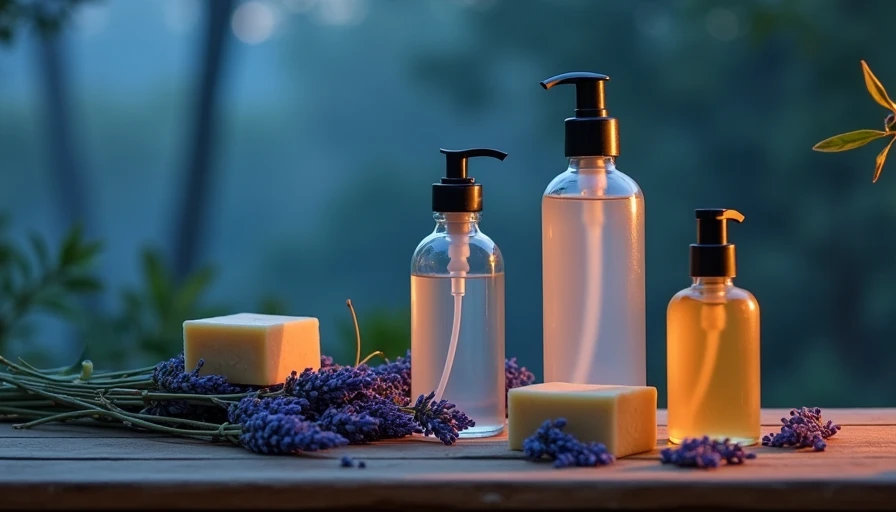
You don't have to overhaul your entire skincare routine overnight. Start with one product: swap your plastic face wash bottle for a solid cleansing bar. Or try a reusable cotton round instead of disposable ones. These small changes compound over time. And when you do finish a product, reuse the jar for storing bobby pins or travel-sized samples. I keep a basket of empties in my bathroom—some get refilled, others become organizers. The goal isn't perfection—it's progress. As I like to say, you don't need a perfect zero waste routine. You need a routine you'll actually keep. So pick one swap, try it for a month, and see how it feels. Chances are, you'll be motivated to do more. And that's how real change happens—one jar at a time.
I hope this guide helps you navigate the world of zero waste skincare packaging without the overwhelm. Remember, it's not about being perfect—it's about making better choices when you can.



No comments yet — grab the first one.